At the recently held Annual General Meeting (AGM) of ISMA, the Association highlighted the challenges faced by the industry in the current season. ISMA said that the sugar production is expected to be in the range of 343.5 lakh tons (before diversion to ethanol). With an opening balance of 50 lakh tons, the estimated domestic consumption of 285 lakh tons, and diversion towards ethanol of around 34 lakh tons, the closing balance for the 2025–26 season is estimated at around 60 lakh tons after exports of 15 lakh tons, as permitted by the Government.
Surplus sugar weighs down prices

The outgoing President of the Association, Gautam Goel, in his speech, said that the surplus sugar availability has already contributed to a decline in sugar prices both globally and domestically. “In several States, average ex-mill sugar prices have fallen significantly below the cost of production, creating serious financial strain for mills,” he said.
He added that the sugar industry operates as a structured system that shoulders the entire responsibility from procuring sugarcane and ensuring timely payments to farmers, to storing excess sugar and maintaining monthly domestic quotas and annual stock obligations.
Local energy hubs
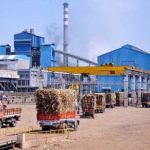
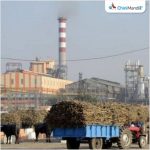
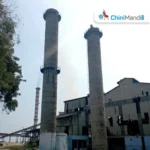
Reiterating the industry’s demand for a much-needed upward revision of the Sugar MSP and ethanol prices across all feedstocks, the Association, in its charter of demands, requested the Government to develop sugar mill complexes as ‘Local Energy Hubs’ and to allow the industry to build a robust nationwide network to dispense ethanol and other green energy products directly to consumers.
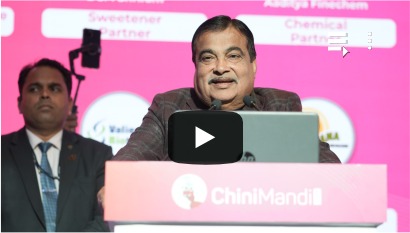
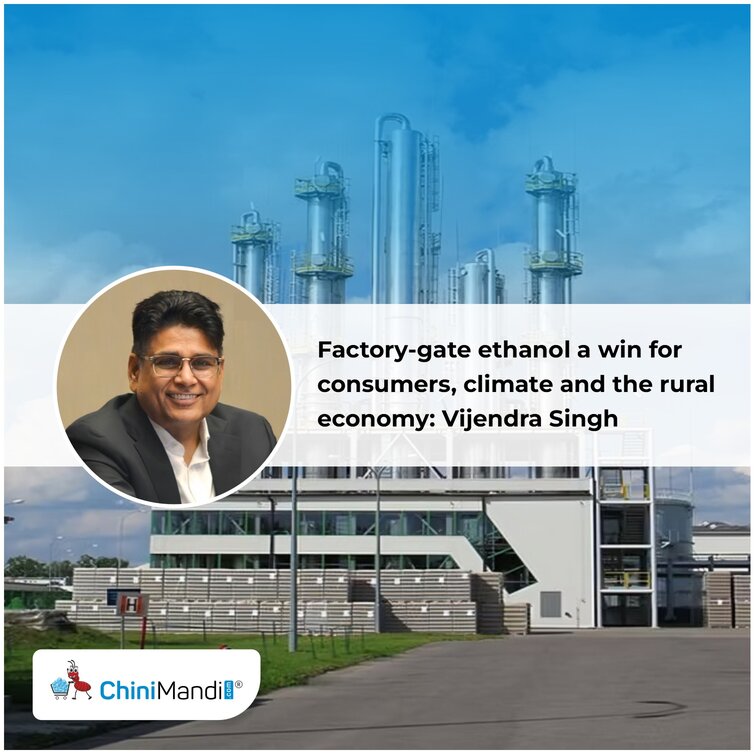
Vijendra Singh, Executive Director & Deputy CEO of Shree Renuka Sugars Limited and President, AIDA, said that this is a good idea and he has been advocating this idea for a long time. He counted the several advantages that will accrue from this policy, “If sugar mills are allowed to dispense ethanol, biogas and other green fuels directly at the factory gate, this will lead to several advantages. Firstly, the logistics and transportation costs become zero, the sugar mills could save up to Rs 4 to 5 a litre on logistics costs. The money saved from this would be passed on to the consumers, which makes this policy consumer-friendly”.
Reduce carbon footprint
Singh said that it will reduce carbon footprint as trucks don’t have to transport ethanol long distances and bring back blended petrol, thereby reducing emissions and pollution.
“Thirdly, it gives the rural economy a significant boost and employment generation, as it will allow the biofuel industry to grow rapidly,” he said.
Regulatory relaxations
Singh said that there are some regulatory relaxations that are required for this to happen. “We need Flex Fuel Vehicles (FFVs) on the roads, especially two-wheelers, which ply more on the rural roads, should be converted to FFVs. This will be economy, consumer, environment and employment positive, if sugar mills are allowed to dispense ethanol directly to the consumers,” he stated.