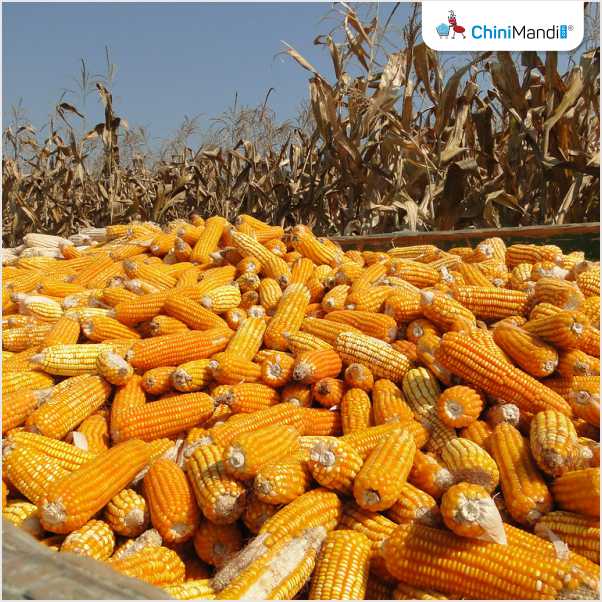
Nellore: The fast growth of bioethanol plants in SPSR Nellore district is expected to change farming practices in upland areas, giving farmers a practical option to grow maize instead of paddy. With four bioethanol units either running or coming up, maize is turning into an attractive crop due to steady demand and financial backing from companies, reported Deccan Chronicle.
Under the Centre’s energy policy, ethanol blending has been increased to 20 per cent to cut reliance on imported fuel. Bioethanol is mainly produced from maize, soya and broken rice. As soya is not cultivated locally and rice procurement is regulated by the government, ethanol producers in Andhra Pradesh are increasingly choosing maize as their main raw material.

District Collector Himanshu Shukla said maize cultivation could greatly benefit farmers, especially those in upland regions. He said bioethanol companies are willing to offer financial support through buy-back agreements, which would cover input costs and assure farmers of purchase after harvest.
In Nellore district, Viswa Samudra Bio-Energy has already begun bioethanol production at Venkatachalam mandal, while Kribhco is getting ready to start operations at the same location. Two more bioethanol projects have signed agreements with IFFCO to set up plants at the KISAN SEZ near Racharlapadu in Kodavalur mandal.
Officials said the rising investment in bioethanol is also linked to the government’s plan to blend ethanol with aviation fuel, which is expected to increase demand in the long term. The two upcoming plants at the KISAN SEZ are likely to produce between 300 and 400 kilolitres of ethanol per day.
Ramshy Bio is setting up a grain-based distillery with a capacity of 370 kilolitres per day along with a 7.25 MW captive power plant, involving an investment of Rs 356 crore. The second unit, Gayathri Renewable Fuels and Allied Industries, will have a capacity of 200 kilolitres per day and a 6 MW power plant, with an investment of Rs 260 crore. Together, these two units are expected to create about 800 direct and indirect jobs.
Both companies plan to source raw materials locally, mainly broken rice and maize. This move is expected to lower transport costs and provide farmers with a dependable market. They have also agreed to give financial support to upland farmers who are willing to grow maize under buy-back arrangements.
The collector said the Viswa Samudra plant, spread across 24 acres, currently produces 200 kilolitres of ethanol per day using broken rice, husk and crop residue. He added that the plant is also capable of using maize, and Kribhco’s upcoming unit will have the same flexibility.
According to district officials, around 7.20 lakh metric tonnes of maize will be required to meet the needs of all the bioethanol plants in the district. The collector also pointed out that Kribhco and IFFCO are federations of agricultural cooperative societies and urged farmers to form cooperatives if they plan to move from paddy to maize, as this would help them get institutional support.
IFFCO’s Kisan SEZ Chief Executive Officer T. Sudhakar said the organisation, which has a network of more than 36,000 farmer cooperatives across the country, is offering special benefits to agriculture-based industries.
For more details and in-depth insights, keep reading Chinimandi.com, your go-to source for the latest news on the Ethanol Industry.