
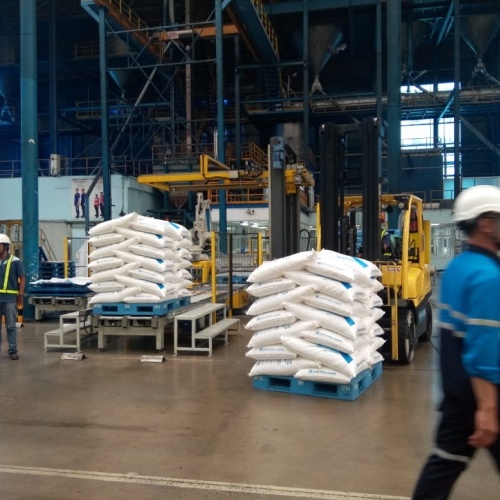
A parliamentary committee has found that incorrect sugar production and stock figures provided by the Pakistan Sugar Mills Association (PSMA), along with the lack of timely and reliable data from the Federal Board of Revenue (FBR) and provincial Cane Commissioners, resulted in wrong decisions on sugar exports and contributed to a sharp rise in prices, according to a report by Business Recorder, reports Profit.
The committee, headed by Dr Mirza Ikhtiar Baig, was tasked with investigating the reasons behind rising sugar prices and identifying the institutions, individuals or officials responsible for allowing sugar exports or imports in recent years.

The panel said problems with the S-Track monitoring system allowed sugar to move without proper tracking, creating opportunities for market manipulation and excessive profits at the retail level. It noted that the selective approval of no-objection certificates distorted the market, while heavy administrative controls were misused instead of improving oversight.
The committee also observed that government discussions with the PSMA on sugar prices effectively encouraged cartel-like practices. It questioned why sugar was imported at a time when available data suggested domestic supplies were sufficient.
The Competition Commission of Pakistan (CCP) informed the panel about its past and ongoing actions in the sugar sector. The commission said it has carried out several investigations since it was formed, imposed fines totalling Rs44 billion, and issued policy advice, including a detailed study of the sector in 2018.
After the sugar price spike in 2025, when prices jumped from about Rs120 per kilogram to over Rs200, the CCP launched a fresh investigation. It told the committee that sugar export approvals were granted in six stages between November 2023 and January 2025, based on recommendations from the Sugar Advisory Board. These recommendations relied on production and stock data supplied by the PSMA. The final approval of 500,000 metric tonnes in January 2025 was identified as a key reason for shortages in the local market.
The CCP said the PSMA overstated sugar production by around 1.33 million metric tonnes and shared incorrect stock figures, leading to repeated export approvals based on flawed information. It added that despite several requests, the FBR failed to provide accurate stock data, while reports from provincial Cane Commissioners were inconsistent. A new investigation into possible market manipulation and penalties related to 2025 is currently in progress.
The committee’s convener said the absence of real-time data in 2025 prevented timely action against sugar mills suspected of hoarding supplies or working together to control the market.
The panel made several recommendations, including setting up a real-time data-sharing system linking the FBR, Cane Commissioners, CCP and relevant ministries; requiring independent checks before approving sugar exports; maintaining a minimum buffer stock of 540,000 metric tonnes; and fixing responsibility for officials or institutions that provide misleading information.
Other suggestions include gradually easing controls on the sugar sector to reduce market distortions, setting clear rules for sugar procurement by the Trading Corporation of Pakistan, reviewing past import decisions, strengthening the legal authority of the CCP, ensuring timely crushing of sugarcane by provincial governments, and taking action against excessive pricing at the retail level. The committee concluded that reducing heavy regulation is the only long-term solution to prevent repeated sugar crises.