Bettiah: The state government’s decision to restart nine closed sugar mills has brought renewed optimism among farmers in West Champaran and nearby districts, especially in Chanpatia. Growers believe that reopening the Chanpatia sugar mill could help resolve long-standing problems related to sugarcane farming and the sale of their produce, reports The Times of India.
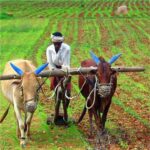
Chanpatia and surrounding areas were once major centres of sugarcane cultivation, with the crop forming the backbone of the local economy. The presence of a sugar mill nearby gave farmers easy access to a market and assured demand for their harvest. However, the shutdown of the Chanpatia mill led to years of hardship, gradually reducing sugarcane cultivation and pushing many farmers to move to alternative crops.
While five sugar mills are currently operating in West Champaran at Bagaha, Lauriya, Ramnagar, Narkatiaganj and Majhwalia, farmers say cultivating sugarcane on a large scale remains difficult. They point to problems such as delays in harvesting, late payments by mills and the expense of transporting cane over long distances.
According to official records, the Chanpatia sugar mill was set up in 1932 during British rule and was among the oldest in Bihar. The mill began to decline in 1990 and closed fully by 1994. An effort by a cooperative to revive it in 1998 failed due to poor coordination between farmers and management, after which the mill shut permanently.
Former Chanpatia MLA and Union minister of state for coal and mining Satish Chandra Dubey alleged that several sugar mills in Bihar were shut during the Lalu-Rabri government. He said the current NDA government has taken steps to revive nine closed mills, including those in Chanpatia in West Champaran, Chakia in East Champaran and Sasamusa in Gopalganj.
A farmer from Ghogha village recalled that sugarcane once covered most of the farmland in Chanpatia and nearby villages. He said income from sugarcane earlier met the entire cost of growing paddy and wheat, but now farmers expect losses even before sowing. He added that earlier the mill was close to their homes, while now cane has to be transported to distant locations.
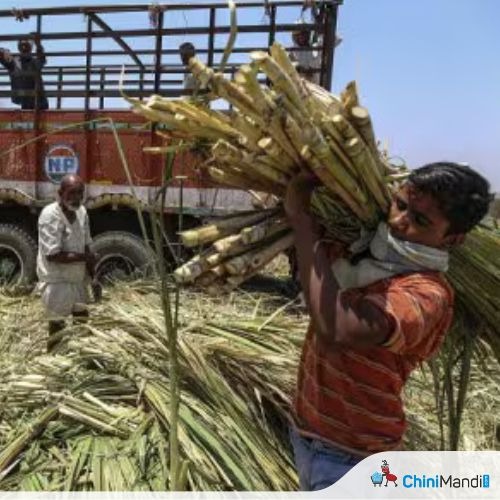
Another farmer said that after the Chanpatia mill closed, they were forced to send sugarcane to mills in Narkatiaganj, Lauriya and Ramnagar. He explained that expenses on tractor hire and labour take away a large share of their earnings, and delays in delivery lead to deductions in weight. As a result, very few farmers now grow sugarcane. He said reopening the mill would bring great relief.
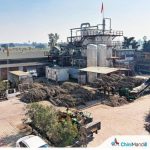
A former sugar mill employee said the closure of the factory left workers without jobs and livelihoods, and many suffered severely. He added that sugarcane farming declined sharply after the shutdown and that the mill building has now fallen into ruins due to years of neglect.
Farmers in Bara Chakia in East Champaran and Sasamusa in Gopalganj are facing similar challenges. The Bara Chakia mill was closed in 1994-95, while the Sasamusa mill shut in 2021-22, years after five workers were killed in a boiler explosion on December 20, 2017. With the cabinet announcing plans to set up 25 new sugar mills and revive nine closed ones, farmers and local residents are hopeful that jobs and livelihoods will return to these regions.