Dubai: From January 1, 2026, all producers, importers and stockpilers of sweetened drinks in the UAE will be required to obtain a mandatory sugar conformity certificate or face the highest level of excise tax, the Federal Tax Authority (FTA) said on Monday, reports Gulf News.
The FTA said businesses must obtain the Emirates Conformity Certificate for sugar and sweetener content in beverages through the website of the Ministry of Industry and Advanced Technology. The certificate is required for excise tax purposes.

To qualify for the certificate, companies must first have their products tested at a laboratory in the UAE that is approved by either the National Accreditation Department or the Emirates International Accreditation Centre.
After the certificate is issued, it must be submitted to the FTA through the EmaraTax platform while registering a new drink product or updating existing product details.
The tax authority warned that drinks without the required certificate will automatically be treated as high-sugar products, even if their actual sugar content is lower. Such products will be taxed at the highest excise rate until a valid laboratory report is provided to show that sugar levels are below the specified limit. This could lead to higher tax payments, pressure on pricing and delays in product registration or imports.
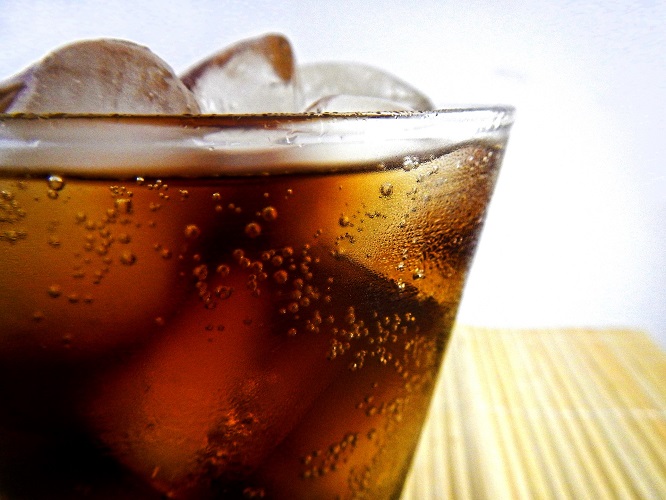
The new requirement is part of a wider change coming into effect on January 1, 2026, when the UAE introduces a revised excise tax system for sweetened drinks. Under the new approach, tax will no longer be fixed but will be calculated per litre, depending on the amount of sugar or sweetener contained in every 100 millilitres of a drink.
The system is being introduced under Cabinet Decision No. 197 of 2025, along with changes to the excise tax law.
According to the FTA, the revised tax structure is aimed at reducing sugar consumption and addressing health problems linked to poor diets. By tying tax levels directly to sugar content, authorities hope to encourage manufacturers to lower sugar levels in their products and help consumers make healthier choices through price differences.
Under the new model, sweetened drinks will be divided into four categories. Drinks containing eight grams or more of sugar per 100 millilitres will be taxed at Dh1.09 per litre. Those with sugar content between five and less than eight grams per 100 millilitres will attract a tax of Dh0.79 per litre. Drinks with less than five grams of sugar per 100 millilitres will not be taxed. Beverages that use only artificial sweeteners or contain less than five grams of sugar per 100 millilitres will also be exempt from excise tax.
The tax will apply to all sweetened drinks with added sugar or sweeteners. This includes ready-to-drink beverages as well as concentrates, powders, gels and extracts that can be mixed or diluted. Drinks that contain only naturally occurring sugar, without any added sweeteners, will not be subject to the tax.
For products that are not ready to drink, companies will also need to provide information on serving size and the number of servings, based on the instructions shown on the label.
Under the new rules, carbonated drinks will no longer be treated as a separate category and will be taxed solely on the basis of sugar content. Energy drinks, however, will remain unchanged and will continue to attract a 100 per cent excise tax outside the new system.
The FTA has advised businesses to begin preparations early by arranging laboratory tests, applying for conformity certificates and updating product information on the EmaraTax platform. It warned that failure to comply could lead to higher taxes, disruption to imports or suspension of product registrations.