The Indian sugar industry’s evolving role as a cornerstone of sustainable agriculture and clean energy was in sharp focus at the 9th edition of IndusFood, India’s flagship agri and food & beverage trade fair. The event, organised by the Trade Promotion Council of India with the support of the Department of Commerce, Government of India, brought together global stakeholders across food, agriculture and allied sectors.
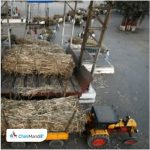
The Indian Sugar & Bio-Energy Manufacturers Association (ISMA) participated in the exhibition and knowledge sessions, highlighting the strategic shift of India’s sugar sector from a traditional sweetener-based industry to a diversified sugar and bioenergy ecosystem.
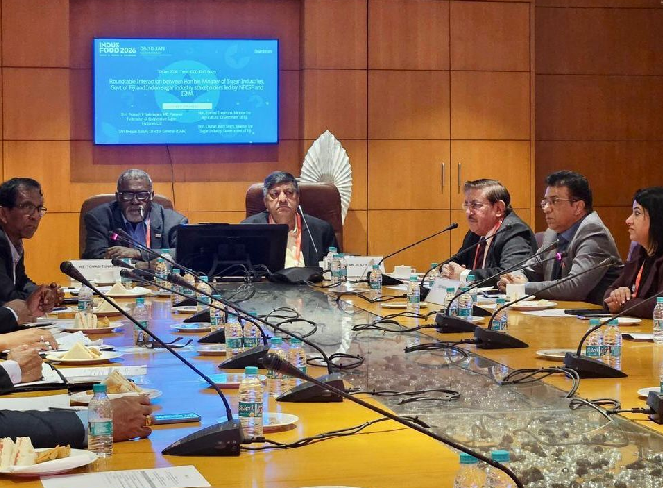
A key highlight of ISMA’s participation was a parallel session held with a high-level delegation from Fiji, comprising H. E. Tomasi Tunabuna, Minister of Agriculture and Waterways, Government of Fiji, and H. E. Charan Jeath Singh, Minister for Multi Ethnic Affairs and Sugar Industry, Government of Fiji. Senior officials from the Governments of India and Fiji were also present, underscoring the importance of international collaboration in the sugar and agriculture sectors.
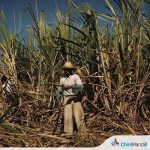
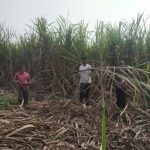
Delivering a special address, Deepak Ballani, Director General, ISMA, outlined India’s transformation from a traditional sugar producer to a diversified sugar and bioenergy ecosystem. He highlighted the role of this sector in supporting the livelihoods of 55 million farmers and their families, advancing climate action, and strengthening energy security through initiatives such as ethanol blending, bioenergy expansion, and circular bioeconomy solutions.
The interaction highlighted India and Fiji’s intent to advance industry-to-industry and government-to-government cooperation and explore partnerships in sugar, agriculture, and bioenergy.
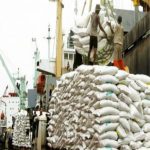
IndusFood, which has steadily grown into a global platform for agri-food trade and policy dialogue, provided an ideal backdrop for such engagements. Previous editions of the exhibition have consistently highlighted India’s strengths in sugar, grains, processed foods and sustainable agri-value chains, positioning the country as a reliable global partner.