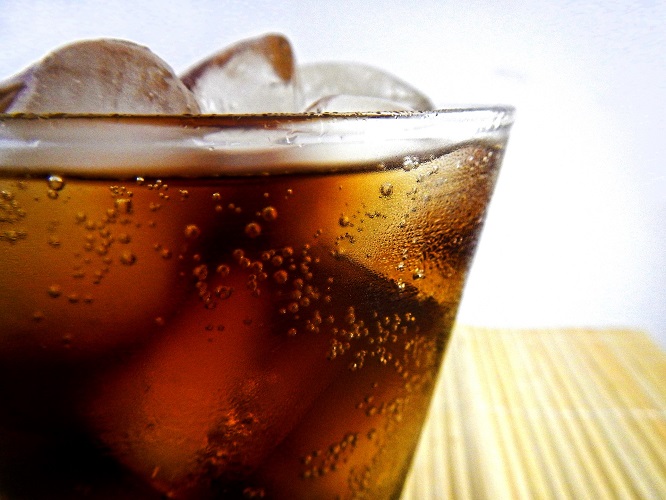
More than half of the world’s countries have introduced taxes on sugary drinks, but most have set them at levels too low to meaningfully curb consumption or improve public health, according to a new report by the World Health Organization (WHO). It stated that in most countries sugar-sweetened carbonated beverages have become more affordable.
The Global Report on the Use of Sugar-Sweetened Beverage Taxes, 2025 shows that although sugar-sweetened beverages (SSBs) are now taxed in a growing number of countries, these levies account for only a small fraction of retail prices. On average, taxes represent about 6.8 per cent of the price of a typical sugary drink.

By July 2024, 116 countries had implemented national excise taxes on at least one category of SSBs. Among them, 114 countries taxed sugar-sweetened carbonated drinks, the most commonly consumed type of sugary beverage worldwide.
The WHO defines sugar-sweetened beverages as all non-alcoholic drinks containing free sugars. This includes carbonated and non-carbonated soft drinks, fruit and vegetable juices and drinks, nectars, liquid and powdered concentrates, flavoured and vitamin waters, energy and sports drinks, ready-to-drink teas and coffees, flavoured milks and milk-based drinks, as well as plant-based milk alternatives.
Research indicates that excise taxes can reduce consumption of sugary drinks if they are set high enough to significantly raise prices relative to income. “Tax levels need to be high enough to trigger sufficiently high changes in price to alter the underlying product affordability and consumption (relative to income). Conventional economic theory suggests that larger tax and price changes are likely to induce bigger changes in consumption,” the report said.
According to the report, despite increased interest globally in leveraging SSB taxes, taxes remain low. For example, the median excise tax share represents 2.4% of the price of 330 ml of an internationally comparable brand of sugar-sweetened carbonated beverage globally (taking into account all countries, those with and without an excise on sugar-sweetened carbonated beverages) and 6.8% among countries applying excise taxes to sugar-sweetened carbonated beverages.
In most countries sugar-sweetened carbonated beverages have become more affordable since 2022 (62 countries compared to only 34 experiencing a reduction in affordability). Countries need to increase taxes sufficiently to ensure such products do not become affordable over time.
“Countries need to increase taxes sufficiently to ensure such products do not become affordable over time,” the WHO said.
The analysis, based on WHO data collected for the second time since the report’s initial release in 2023, used standardised measures of prices and tax levels for an internationally comparable sugary drink, along with information on national tax policies for non-alcoholic beverages.
One notable finding is that most countries do not tax sugar-sweetened ready-to-drink tea or coffee, or sugar-sweetened milk-based drinks — including plant-based milk alternatives — despite their sugar content.
At the same time, nearly half of the countries that levy excise taxes on non-alcoholic beverages also tax unsweetened bottled water.
“The consumption of healthy substitutes such as water should be incentivised and not taxed,” the report said.
The WHO also reviewed how revenue from sugary drink taxes is used. Of the 116 countries with excise taxes on non-alcoholic beverages and available data on earmarking, only 10 allocate the revenue specifically to health programmes, most often to support universal health coverage.
Click here to read the full report