The Government has clarified that the US imports of animal feed at preferential tariffs will not adversely affect local producers, as the agreement includes sufficient safeguards in the form of quotas.
At ChiniMandi, we continue to get you expert voices for a deeper, more informed perspective on the likely repercussions of the deal between the two countries.
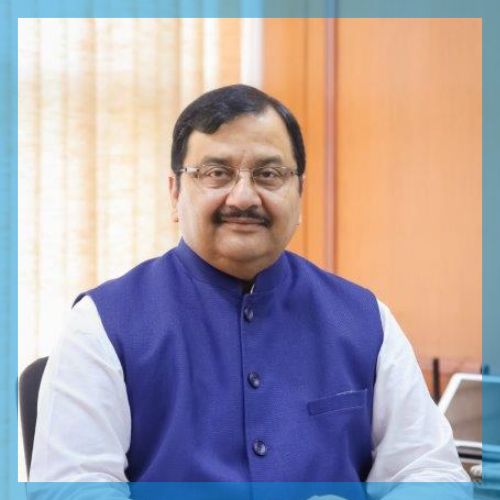
Atul Chaturvedi, Executive Chairman, Shree Renuka Sugar Mills Ltd. and Chairman of Asian Palm Oil Alliance( APOA), said that the opening up of the domestic DDGS market to American producers would be good for the cattle feed and poultry feed sector. For the domestic soya meal and Indian maize-based distillery units, he feels that the impact could be marginally negative. He added, “For the domestic Indian soya meal and DDGS producers, the values may get affected”.
Chaturvedi stated that in case soya oil comes at zero or 5% ( Agri cess) duty, then the crude oil prices in Argentina may go down marginally. “We will have to see whether Agri cess would also be reduced or not. The US-origin oil is generally more expensive for India. In case India reduces duty on all soya oil, the issue of oil inflow from Nepal may also get solved as it would no longer be commercially viable,” he said.
DDGS, a nutrient-rich co-product of grain-based ethanol production, is increasingly being used as an affordable feed ingredient for poultry, dairy, and aquaculture. The product is available in several types, including corn-, wheat-, rice-, barley-, and blended grain-based variants. It is offered in forms such as pellets, powder, and granules to meet different feeding needs.