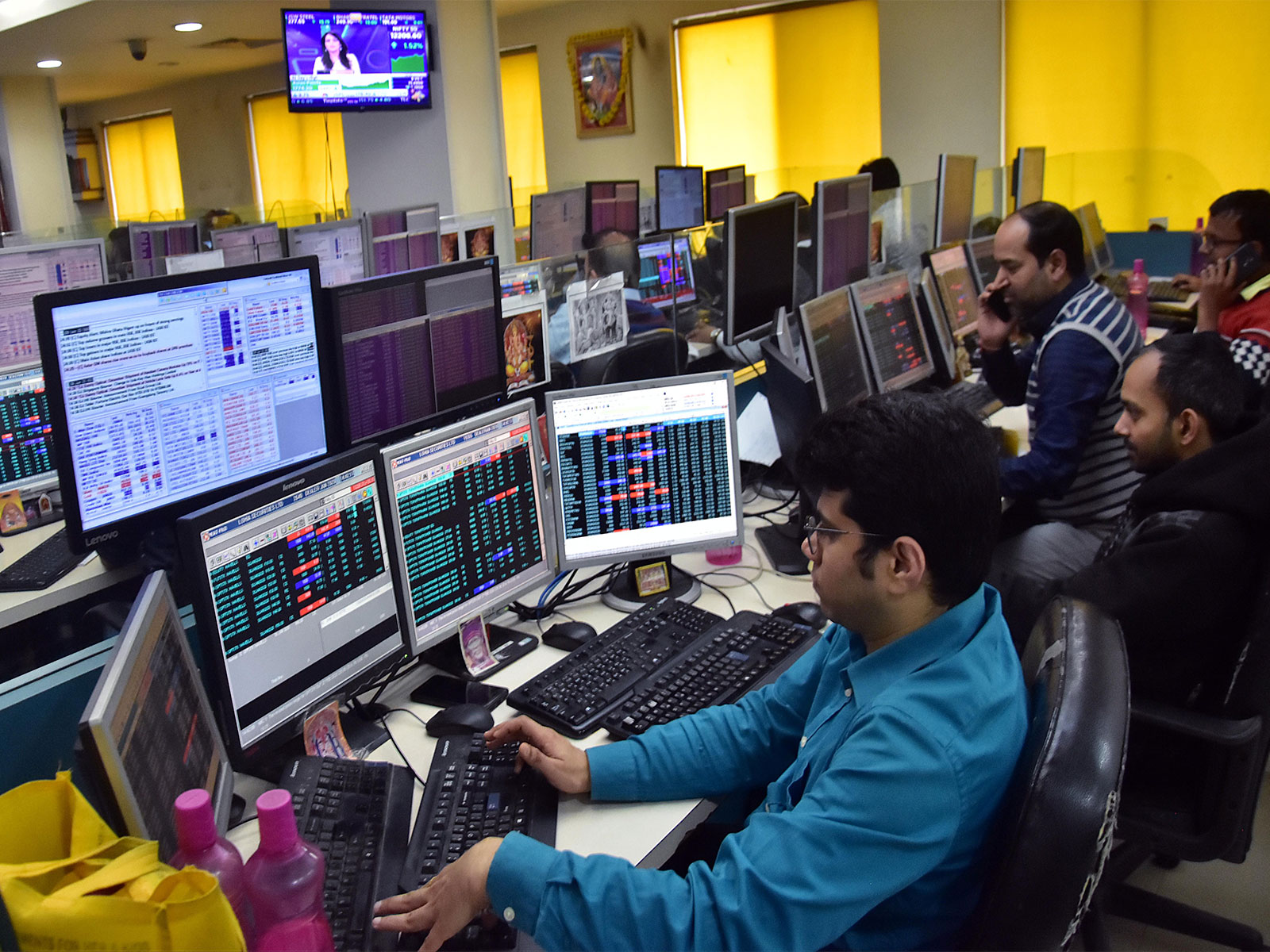
New Delhi [India]: Diversification has emerged as the critical strategy for the broking industry to shield against policy shifts, with firms maintaining multiple revenue sources proving more resilient than standalone entities. According to a release from Crisil, this trend follows a proposed increase in the securities transaction tax (STT) on derivatives in the Union Budget 2026-27 and significant regulatory changes by the Securities and Exchange Board of India (SEBI).
These measures, designed to curb speculative activity and protect retail investors, contributed to a 25 per cent drop in average daily turnover (ADTO) volumes in the second half of the last fiscal year. Despite a partial recovery, volumes remained below previous peaks, leading to a six per cent year-on-year decline in industry revenue during the first half of fiscal 2026.
Crisil Ratings study findings indicated that diversified capital market players maintained higher performance stability, as approximately two-thirds of their revenue came from non-broking and non-trading activities. This structure allowed these firms to absorb market volatility more effectively than their peers.
Malvika Bhotika, Director, Crisil Ratings, said, “Our analysis of 25 players engaged in the broking business shows that entities with diversified revenue streams have typically navigated market fluctuations adeptly, while entities where transaction broking fees or proprietary trading business constitutes the predominant share of revenues have faced a decline in revenue during such periods.”
Traditional broking firms experienced a 15 per cent revenue drop in the second half of fiscal 2025 compared to the first half, driven by lower market activity and the streamlining of customer charges. While many firms adjusted brokerage rates or introduced fees for previously free services, these measures failed to fully offset the revenue contraction.
The focus on expanding the MTF book led to its revenue share rising by about 400 basis points in fiscal 2025, yet total revenues in the first half of fiscal 2026 remained below levels seen a year earlier.
Proprietary trading players faced the most significant impact due to regulatory reductions in weekly expiry products, which limited arbitrage opportunities. Prashant Mane, Associate Director, Crisil Ratings, said, “With the regulatory measure of reducing weekly expiry products resulting in fewer arbitrage opportunities, proprietary players saw revenue drop by ~25% during the second half of fiscal 2025 over the first half, with a slight improvement in the first half of fiscal 2026 owing to some stability in market volume. Going ahead, the proposed hike in STT could have a higher impact on proprietary traders, including high-frequency traders and arbitrageurs, who account for ~60% of the market volume.”
The current market environment underscores the necessity for broking firms to move beyond traditional transaction fees. While increasing interest income from MTF provided a temporary cushion, the ability of players to revamp their revenue structures remains the determining factor for long-term stability.
The potential impact of the STT hike on market liquidity and trading volumes continues to be a point of observation for the industry as firms seek to mitigate the effects of external regulatory events. (ANI)