Indore: Sugarcane farmers struggling with recurring crop diseases may soon benefit from a newly developed butterfly-shaped flying robot capable of moving through fields and detecting pest infections, The Times of India reported.
The device has been created through a joint effort by researchers from Shri Govindram Seksaria Institute of Technology and Science (SGSITS) in Indore and Delhi Technological University (DTU). The project was led in Indore by Assistant Professor Upendra Singh from the Information Technology department at SGSITS along with Dr. Sanjay Patidar of DTU.
The robot captures detailed images of leaves and relies on artificial intelligence to spot diseases such as red rot, smut, wilt, and ratoon stunting at an early stage. Using GPS tagging, it marks the precise location of infected plants, allowing farmers to quickly reach the affected areas, apply treatment only where necessary, and limit the spread to healthy crops.
“Sugarcane fields are tall and thick, and infections often start in places that are difficult to inspect regularly. Farmers cannot examine every plant manually, and traditional aerial views fail to show what is happening inside the crop. This system is meant to identify disease early and direct farmers to the exact location,” Singh told The Times of India.
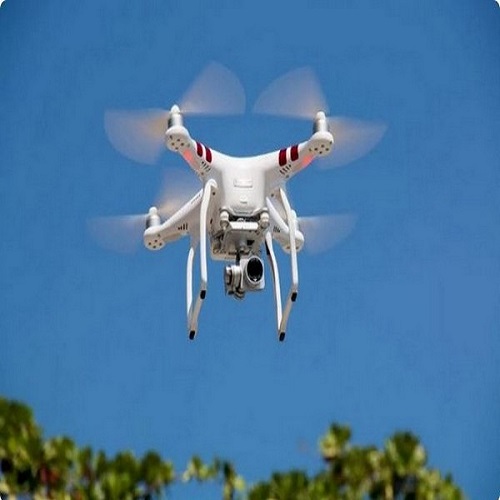
The research team initially designed the machine as a ground-based vehicle but later converted it into a lightweight flying model inspired by the structure of butterflies and birds. The change helped improve balance, reduce costs, and increase coverage across fields. A patent for the technology has been filed and is currently awaiting approval.
Data collected by the robot is linked to a web and mobile platform that generates a digital map of the field. Farmers can monitor disease patterns, heat maps, and alerts, enabling faster and more focused action. The method encourages precise farming by supporting early detection, location tracking, and informed decision-making, which can enhance crop management, improve yield estimates, and reduce unnecessary pesticide use.
Singh noted that the technology could also serve purposes beyond individual farms. Agritech firms in the MSME sector could use such systems to offer crop monitoring and disease analysis services. The information gathered may also help sugar mills, agro-industries, and research organisations assess crop quality, forecast production, and plan supply chains, connecting farm-level data with industry needs.
The project received support from the Ministry of Micro, Small and Medium Enterprises under the ASPIRE scheme, which promotes innovation, rural industry, and entrepreneurship.