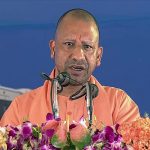
Patna: Bihar Chief Minister Nitish Kumar on Friday asked officials to speed up the reopening of all closed sugar mills in the state, saying the move would benefit farmers and create more employment opportunities, The Times of India reported.
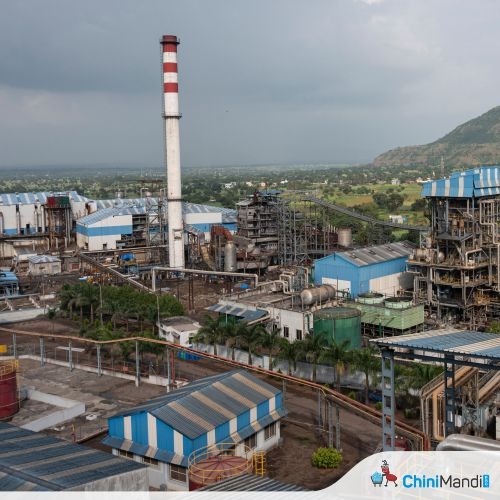
Reviewing the progress of Samriddh Udyog–Sashakt Bihar, a key part of the state government’s Saat Nishchay-3 programme, the chief minister welcomed the planned restart of the Sasamusa sugar mill. He said similar action should follow for the other closed mills without delay.
Nitish Kumar stressed that the programme must be carried out carefully and on time. He added that bringing old sugar mills back into operation would boost farmers’ incomes and create jobs for people in nearby areas.
He also asked officials to begin work on setting up new sugar mills and to proceed step by step with a clear plan. The chief minister said these efforts should help Bihar move closer to becoming one of the country’s five most developed states.
Industries Secretary Kundan Kumar briefed the meeting on different elements of the programme, while senior officials from the sugarcane industries and information technology departments shared updates on the progress in their respective areas.
Officials informed the chief minister that the Sasamusa sugar mill in Gopalganj district is expected to restart soon.
According to a statement from the Chief Minister’s Office, mills identified for revival are located in Chanpatia in West Champaran; Barachakia and Motihari in East Champaran; Sasamusa in Gopalganj; Marhaura in Saran; Motipur in Muzaffarpur; Samastipur in Samastipur district; and Sakri and Raiyam in Darbhanga.
In November 2025, the National Democratic Alliance government led by Nitish Kumar approved plans to revive nine closed sugar mills and set up 25 new ones. A high-level committee, headed by Chief Secretary Pratyaya Amrit, was formed the following month to supervise the process.
Of the nine mills planned for revival, seven are run by the public sector, while two-Motihari and Sasamusa-are privately operated.