New Delhi: India’s sugar market may see relief despite rising global tensions triggered by the war in Iran and the strikes involving the United States and Israel. While the conflict has disrupted trade routes across the Gulf region, it could result in higher domestic availability of sugar in India and help keep prices stable, AajTak reported.
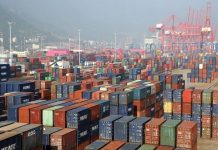
India exports a substantial volume of sugar to Gulf countries, including Iran and the United Arab Emirates. However, disruptions in shipping, delays at ports and the possibility of reduced demand are expected to slow exports. If shipments decline, a larger share of India’s sugar output will remain within the country, strengthening local supply.

The sugar season in India runs from October to September. During the ongoing 2025-26 season, production reached 24.75 million metric tons by the end of February, marking a 12 percent increase over the 22.02 million metric tons produced during the same period last year. Total sugar output for the full season is estimated at 29 to 30 million metric tons. However, part of this production is diverted for ethanol manufacturing, which reduces the quantity of sugar available in the open market.
Stock levels also suggest a balanced situation. As of February 28, 2026, sugar mills held 12.05 million metric tons in stock, including about 4.7 million metric tons carried forward from the previous season. Between March and September, total sugar availability is projected at 16 to 17 million metric tons. During the same period last year, supply stood at 16.1 million metric tons, indicating that while supplies are not excessive, they remain sufficient.
The government had permitted exports of 2 million metric tons of sugar for the current season. However, experts now estimate that only about 0.5 million metric tons may actually be exported due to tensions in the Gulf region. The remaining 1.5 million metric tons of sugar is likely to stay in the domestic market, easing concerns about shortages.
Production remains strong in key sugar-producing states such as Maharashtra, Uttar Pradesh and Karnataka. By the end of February, Maharashtra had produced 9.53 million metric tons of sugar, Uttar Pradesh 7.48 million metric tons, and Karnataka 4.45 million metric tons, all showing growth compared to last year.
If exports remain limited in the coming months, India’s sugar market is expected to stay well supplied. For consumers, this could translate into stable sugar prices and steady availability, even as global trade faces uncertainty.