Australia’s sugar industry has renewed its call for a national ethanol mandate, saying it could help protect motorists from sudden fuel price shocks as global tensions disrupt energy markets, ABC News reported.
The call comes as fuel prices in Australia rose shortly after conflict escalated in Iran. The increase drew criticism from motoring groups and prompted attention from regulators.

While Energy Minister Chris Bowen urged motorists not to panic buy fuel, the sugar industry said the situation has highlighted the country’s dependence on imported fuels.
Ash Salardini said Australia holds relatively small reserves of liquid fuel. According to him, the country has around 30 days of supply for diesel, petrol and aviation fuel.
Industry leaders say introducing a national ethanol blending mandate could increase domestic fuel production and reduce exposure to global oil market shocks.
Ethanol is a renewable fuel made by fermenting plant-based materials such as grain starch or molasses from sugarcane. At present, blending ethanol with petrol or diesel is required only in New South Wales and Queensland.
These states are also home to Australia’s two largest ethanol producers — Manildra Group and Wilmar Sugar and Renewables.
Salardini said extending the mandate nationwide would increase local fuel supplies and reduce the need for imports. While it would not completely eliminate fuel imports, it would help lower the country’s vulnerability to global disruptions.
He added that ethanol-blended fuels could also support the development of other cleaner fuels such as sustainable aviation fuel and biodiesel.
However, ethanol blending has faced resistance from some fuel retailers, wholesalers and motorists, partly because not all vehicles are compatible with higher ethanol blends.
Demand for ethanol is also increasing globally as governments and companies try to cut carbon emissions. For example, Qantas has set a target for sustainable aviation fuel to account for 10 percent of its fuel use by 2030.
Australia relies heavily on imported fuels, with much of its supply coming from Singapore, along with South Korea, China and Japan.
At the same time, ethanol production capacity in the country remains underused. A distillery operated by Wilmar at Sarina produces about 60 million litres of ethanol each year but is not operating at full capacity.
James Wallace said the lack of strong government policy and financial support has made it difficult to expand ethanol production.
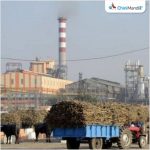
The distillery uses molasses from the company’s eight sugar mills, including the Invicta Mill near Townsville.
According to operations manager Harrison Slogrove, converting more sugar production into ethanol would require major investments in factory infrastructure. However, companies need a stable market before making such investments.
Australia introduced its first ethanol blending requirement in New South Wales in 2007. At the time, then prime minister John Howard decided against introducing a national mandate.
Nearly two decades later, lawmakers are again raising the issue. Independent MP Bob Katter recently asked Prime Minister Anthony Albanese whether the government would reconsider the policy.
Albanese told parliament that improving fuel security and strengthening domestic production were important goals. He also pointed to a $1.1 billion government investment announced last year to support the production of low-carbon liquid fuels in Australia.
Global ethanol markets are closely linked to oil prices. Brazil, the world’s largest sugar exporter, is also the biggest producer of ethanol made from sugarcane.
Commodities analyst Tom McNeill said that when oil prices rise, producers in Brazil often divert more sugarcane into ethanol production. This shift can influence global sugar prices.
Salardini said it could take two to three years to build the facilities needed to produce enough ethanol to meet a proposed five percent national blending mandate.
However, he warned that delaying action could leave Australia vulnerable to future fuel supply disruptions.