The government has notified the Natural Gas (Supply Regulation) Order, 2026, invoking the Essential Commodities Act (ESMA) of 1955, giving the directive overriding authority over all existing gas sale agreements and commercial arrangements.
“The ongoing conflict in the Middle East has resulted in the disruption of liquefied natural gas shipments through the Strait of Hormuz,” the Ministry of Petroleum and Natural Gas said in an order, adding that the new rules would “ensure equitable distribution and continued availability for priority sectors”.

The order establishes a four-tier priority system for gas allocation, with supplies to lower-priority sectors, including petrochemical plants, power stations, and oil refineries, curtailed to meet essential demand.
India’s total gas consumption in 2024-25 was about 71.3 billion cubic metres (BCM) with 50.1% import dependency, according to the Petroleum Planning and Analysis Cell (PPAC).
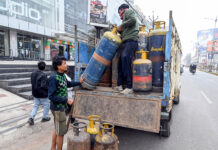
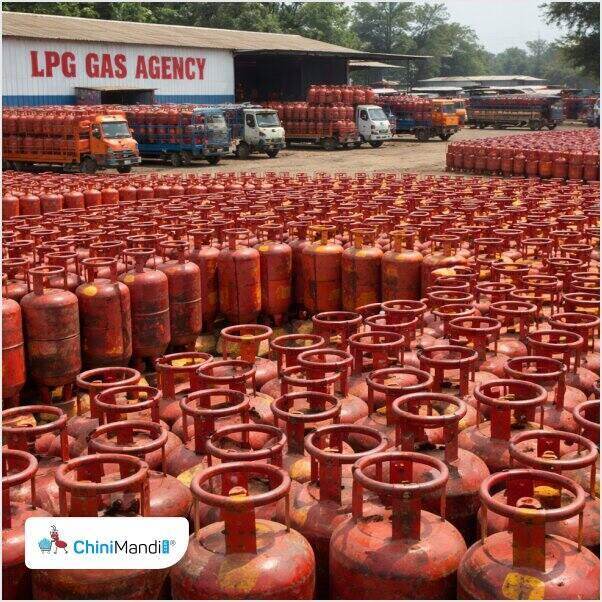
India imports natural gas in liquefied form as LNG, which, once re-gasified, feeds the pipeline network supplying PNG to households and CNG to vehicles. LPG, the cooking gas used by homes and commercial establishments, is a separate product, but its domestic production depends in part on natural gas processing, meaning disruptions to LNG imports squeeze both supply chains.
India’s biggest private refiner, Reliance Industries Ltd (RIL), on Tuesday said it will maximise LPG production from its refining and petrochemicals complexes at Jamnagar, with teams working around the clock to optimise refinery operations and enhance LPG output so that supplies to the domestic market remain stable and reliable.
“At a time when global energy markets are experiencing volatility, ensuring uninterrupted access to essential fuels for Indian households remains a national priority. Reliance Industries is taking proactive steps and in line with the Government guidelines,” it said in a statement.