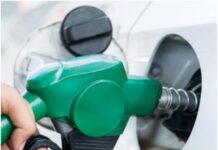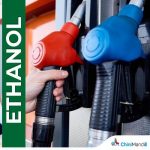
Vietnam is preparing to introduce E10 gasoline across the country earlier than planned, with petroleum companies expected to begin selling the biofuel blend as soon as late March, Saigon News reported.
At a conference held in Ho Chi Minh City, the Ministry of Industry and Trade of Vietnam outlined the roadmap for blending bioethanol with conventional gasoline under Circular 50/2025.

Dao Duy Anh, deputy director of the agency responsible for innovation and green transition under the ministry, said several major fuel distributors plan to start offering E10 gasoline by the end of March or early April, ahead of the previously expected June launch.
The ministry has encouraged businesses with adequate technical capacity to begin implementation from May 1 to allow a smoother transition in the market. Inspection teams are also reviewing the readiness of companies to ensure the rollout meets technical and regulatory standards.
Fuel distributors have already started preparing blending infrastructure. Of the country’s 26 major fuel distributors, 12 have built facilities to blend biofuels. Among them, three have been licensed to produce E10 gasoline, while nine others are completing the required procedures.
Industry officials said ethanol supply is currently sufficient in the global market, with about 60 percent of production coming from the United States and Brazil.
Do Van Tuan, chairman of the Vietnam Biofuel Association, said ethanol shipments from the United States to Vietnam do not pass through the Middle East, reducing exposure to geopolitical tensions. He also noted that ethanol prices tend to fluctuate less than gasoline prices.
According to the ministry, Vietnam’s annual gasoline demand is about 28 million cubic metres, with roughly 11 million cubic metres currently used by vehicles participating in biofuel programmes. If E10 is widely adopted, the country could require around 1 million cubic metres of ethanol each year.
However, experts have warned that the nationwide rollout will require careful planning to avoid supply disruptions. Ngo Tri Long said the success of E10 adoption will depend on a well-organised supply chain covering ethanol production, blending, storage and distribution.
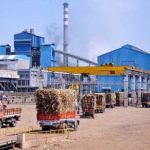
Some analysts believe domestic ethanol production may not fully meet demand initially, meaning imports will likely be needed while local biofuel plants gradually restore capacity.
Experts also stressed the need for adequate reserve stocks of both base gasoline and ethanol, expansion of blending infrastructure and a reliable distribution network to ensure smooth supply.
They added that pricing will also play a key role, noting that E10 gasoline will need to remain cheaper than conventional fuel to encourage wider consumer adoption.