The government of Egypt has extended its ban on commercial sugar imports until the end of April 2026 as part of efforts to protect domestic producers and regulate the local market. The restriction, first introduced on November 16, 2025, was extended in March 2026 through Import Circular No. 7 issued by the Egyptian Customs Authority, Zawya reported.
The move comes as sugar consumption in the country usually rises ahead of Eid al-Fitr, when households prepare traditional sweets such as Kahk cookies.

Officials said the decision aims to support domestic sugar production, stabilise market supply and maintain strategic reserves. At the same time, the government has continued restrictions on sugar exports, allowing shipments only from quantities that exceed the country’s domestic needs.
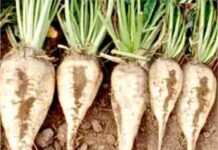
The import ban was introduced after a rise in national sugar production during the season ending in August 2025, driven mainly by a nearly 34 per cent increase in sugar beet output.
During the 2024–25 season, Egypt produced about 3.1 million tonnes of sugar, an increase of 19.2 per cent compared with the previous year. Sugar made from beet accounted for 77.4 per cent of the total output, while sugarcane contributed 22.6 per cent. Production is expected to rise slightly by 2.6 per cent to about 3.18 million tonnes in the 2025–26 season.
Egypt currently has 16 sugar processing companies. Eight of them process sugarcane and are run by the state, while the remaining eight process sugar beet, including five private companies and three state-run firms.
Despite the increase in production, domestic consumption continues to exceed supply. Sugar consumption reached about 3.75 million tonnes in 2024–25, creating a supply gap that was met through imports of around 1.26 million tonnes. Consumption is expected to rise to about 3.85 million tonnes in the 2025–26 season, though higher production could reduce the import requirement to about 1.06 million tonnes.
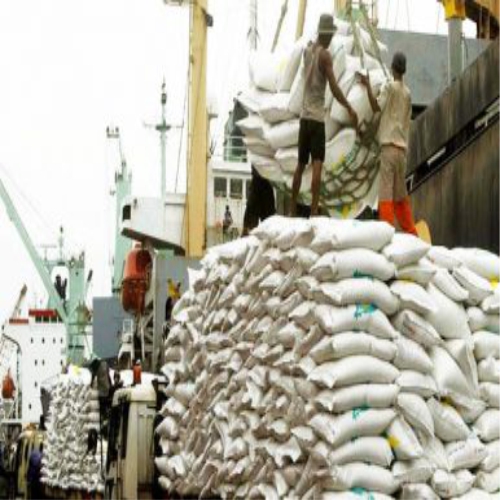
In 2025, Egypt’s sugar imports were valued at about $647 million, marking a 36.5 per cent decline from the previous year. Nearly 95 per cent of the imports came from Brazil, while smaller quantities were imported from the European Union.
Although Egypt remains a net sugar importer, it also exports part of its production. In 2025, the country exported sugar worth about $306 million, with Lebanon accounting for 35 per cent of the shipments, followed by Sudan with 23 per cent and Kenya with 11.4 per cent.