Vietnam will phase out conventional gasoline from June 1 as part of a nationwide move to expand the use of biofuel blends and support the country’s transition to cleaner energy, tuoitre news reported.
The plan was announced at a conference in Ho Chi Minh City to introduce Circular No. 50/2025 issued by the Ministry of Industry and Trade, which sets out a roadmap for blending biofuels with traditional fuels.

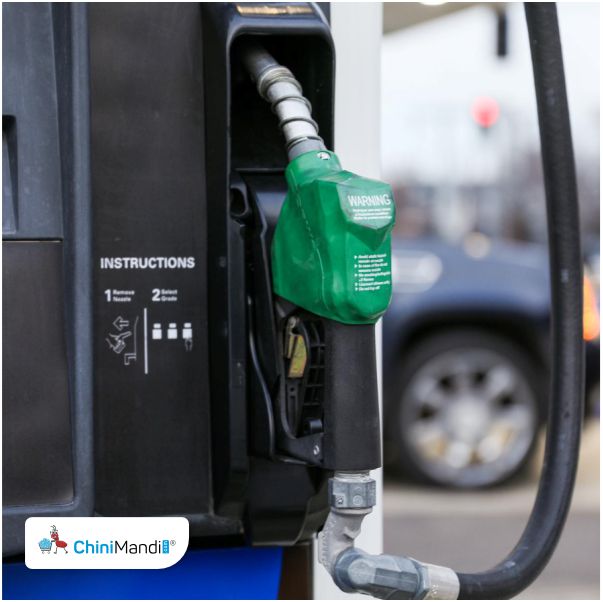
According to Dao Duy Anh, deputy director of the ministry’s Department of Innovation, Green Transition and Industrial Promotion, regular gasoline will no longer be allowed on the market after the deadline. Under the new system, fuel sold for vehicles will consist of biofuel blends, mainly E5 RON92 and E10 RON95.
Authorities said the shift is expected to support the country’s green energy goals, strengthen energy security and create additional demand for crops such as cassava that are used to produce ethanol for fuel blending.
To help companies prepare, the ministry has encouraged qualified firms to begin supplying biofuel gasoline from May 1, 2026, while inspection teams will start reviewing preparations from late March. Transitional measures will remain in place until 2030 for older vehicles that may not be compatible with the new fuels.
Officials said wider use of E10 gasoline could reduce fossil fuel content in total gasoline consumption by about 10 per cent, while a future shift to E20 could double the reduction. If adopted widely, biofuel use could cut the country’s conventional gasoline consumption by about one million cubic metres each year and reduce carbon dioxide emissions by around 2.5 million tonnes annually.
Do Van Tuan, chairman of the Vietnam Biofuels Association, said the roadmap could also revive domestic ethanol production, which has slowed in recent years. The country currently has six ethanol plants, including two operated by PetroVietnam and four run by private companies. Several plants halted operations in 2018 due to weak demand but are now preparing to restart production.
Tuan said the biofuel programme could also create a stable domestic market for agricultural products such as cassava. The country exports about five million tonnes of cassava to China each year, but demand often fluctuates, affecting farmers’ income.
Experts say the expansion of biofuels could also improve energy security. Vietnam consumes about one million cubic metres of gasoline each month and still imports around 30 per cent of its fuel supply, while much of the crude oil used for domestic refining comes from the Middle East.
Analysts also note that Vietnam’s push to expand biofuel use may support ongoing trade discussions with the United States, as importing ethanol from the world’s largest biofuel producer could help balance bilateral trade while ensuring a stable supply for the domestic market.