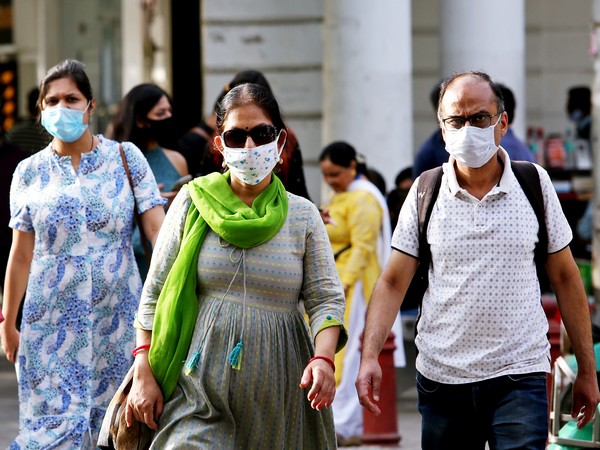
Delhi: The capital city has witnessed a sharp increase in swine flu infections in recent weeks, prompting the Delhi government to issue a public health advisory and urge people to follow basic respiratory hygiene measures. Authorities have advised residents to wear masks in crowded places, wash their hands frequently, avoid close contact with people who have respiratory infections and seek medical attention if flu-like symptoms become severe or persistent. According to health department data, Delhi has reported more than 1,777 Delhi has witnessed a sharp increase in swine flu infections in recent weeks, prompting the Delhi government to issue a public health advisory and urge people to follow basic respiratory hygiene measures, according to a report by NDTV.
Authorities have advised residents to wear masks in crowded places, wash their hands frequently, avoid close contact with people who have respiratory infections and seek medical attention if flu-like symptoms become severe or persistent.

According to health department data, Delhi has reported more than 1,777 H1N1 cases this year, with 114 new infections recorded on Thursday alone. The capital has also reported more than 2,300 Influenza-A cases, prompting authorities to step up preparedness measures. The advisory recommends covering the mouth and nose while coughing or sneezing and wearing a mask in crowded or poorly ventilated areas. People have also been advised to wash their hands regularly and avoid touching their eyes, nose and mouth with unwashed hands. Other precautions include avoiding spitting in public places, maintaining distance from people with respiratory symptoms, staying hydrated and avoiding unnecessary close contact when unwell.
ChiniMandi brings you a guide compiled from Chetna Hospital and Nova Hospital & Research about the symptoms, warning signs, and precautions to take amid the rising H1N1 flu scare.
What is H1N1 virus?
H1N1, commonly known as swine flu, is a type of influenza A virus that spreads from person to person, mainly through respiratory droplets and contaminated hands or surfaces. It can cause mild illness in many people but may lead to serious complications, particularly among vulnerable groups.
Common signs and symptoms
H1N1 symptoms can appear suddenly and may include:
- Fever or feeling feverish
- Dry cough
- Sore throat
- Runny or blocked nose
- Headache
- Body, muscle and joint pain
- Extreme tiredness or weakness
- Chills
- Loss of appetite
Some people may also experience nausea, vomiting or diarrhoea. Symptoms of H1N1 can overlap with other respiratory infections, so symptoms alone cannot always confirm the type of virus.
Warning signs: Seek medical help urgently
Do not ignore the following symptoms:
- Difficulty breathing or shortness of breath
- Chest pain
- Persistent or worsening high fever
- Severe weakness, drowsiness or confusion
- Bluish lips, face or nails
- Coughing up blood
- Symptoms that improve but then suddenly worsen
- Worsening of an existing medical condition
For children, fast or difficult breathing, refusal to feed, persistent fever, unusual irritability, extreme sleepiness or convulsions require prompt medical attention.
Who is at higher risk?
Extra caution is needed for:
- Children below five years
- Adults aged 65 years and above
- Pregnant women
- People with asthma or other chronic lung diseases
- People with heart disease, diabetes or other chronic illnesses
- People with weakened immune systems
- Healthcare workers and others with frequent exposure to infected people
These groups are more vulnerable to severe influenza-related complications.
One symptom people should not ignore: breathing difficulty
A cough and fever do not automatically mean severe influenza. But breathlessness, chest pain, low oxygen levels, confusion, severe weakness, or rapidly worsening symptoms require prompt medical evaluation.
Government guidance identifies symptoms such as breathing difficulty, chest pain, drowsiness, falling blood pressure, blood-stained sputum and bluish discoloration as warning signs requiring urgent attention.
H1N1 Symptoms vs Common Viral Fever
One of the biggest challenges for patients is that several respiratory infections can appear similar during the first few days.
According to Chetna Hospital, the following features may help differentiate a common viral infection from influenza, including H1N1:
| Feature | Common viral infection | Influenza/H1N1 | When to worry |
|---|---|---|---|
| Fever | Possible | Common | Persistent/high fever |
| Cough | Possible | Common | Severe or worsening cough |
| Body ache | Possible | Often prominent | Severe weakness |
| Fatigue | Possible | Often significant | Extreme exhaustion |
| Sore throat | Possible | Common | Severe difficulty swallowing |
| Breathlessness | Unusual in mild illness | Possible in severe illness | Seek medical care promptly |
| Chest pain | Uncommon | Can occur with complications | Urgent assessment |
| Oxygen falling | Unusual | Possible in severe disease | Urgent assessment |
What to do if you develop flu-like symptoms
If your symptoms are mild: Stay home and avoid unnecessary contact with others. Rest adequately. Drink plenty of fluids. Monitor your symptoms carefully. Cover your mouth and nose while coughing or sneezing. Wear a mask if you must be around other people.
Consult a doctor if symptoms worsen or if you belong to a high-risk group.
Do not self-medicate with antibiotics. Antibiotics do not treat influenza viruses. Antiviral medicines may be prescribed by a doctor, particularly for high-risk patients or those with severe illness, and generally work best when started early.
How to protect yourself and others
The following precautions can reduce the spread of influenza:
- Wash your hands regularly with soap and water.
- Avoid touching your eyes, nose and mouth with unwashed hands.
- Cover coughs and sneezes with a tissue or your elbow.
- Dispose of used tissues immediately.
- Avoid crowded and poorly ventilated spaces when possible.
- Improve ventilation by opening windows where appropriate.
- Stay home when you are unwell.
- Clean frequently touched surfaces regularly.
- Consider wearing a mask in crowded settings, particularly if you have symptoms or are at higher risk.
Annual seasonal influenza vaccination remains the most effective way to reduce the risk of flu and severe illness, particularly for vulnerable groups.
The key message
Most people with seasonal influenza recover within about a week with rest, fluids and appropriate symptom management. However, do not delay medical attention if breathing becomes difficult, symptoms worsen, or the patient belongs to a high-risk group. Early medical assessment and treatment can help prevent serious complications.
Disclaimer: This content including advice provides generic information only. It is in no way a substitute for a qualified medical opinion. Always consult a specialist or your own doctor for more information. ChiniMandi does not claim responsibility for this information.