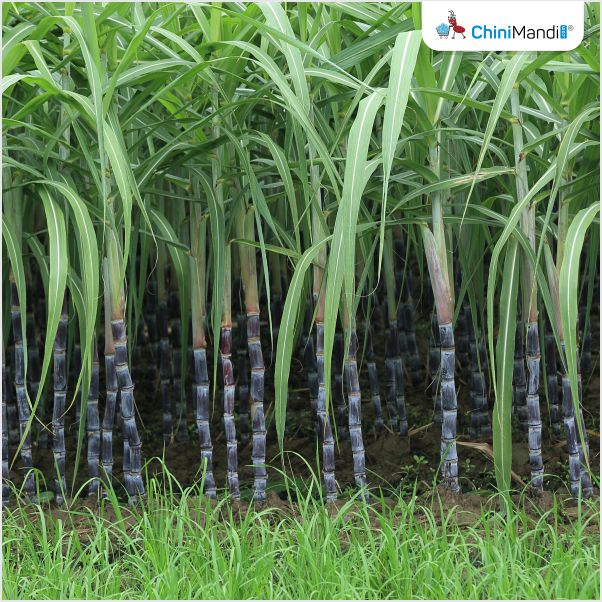
Fiji’s sugar industry continues to face production challenges as significant quantities of unapproved sugarcane varieties are supplied to mills during each crushing season, FBC News reported.
Minister for Sugar Tomasi Tunabuna has warned farmers against supplying such varieties, stating that their use is illegal under the Master Award agreement. Sugar mills, he said, have the authority to refuse cane that does not meet the approved variety requirements.

Tunabuna said farmers had been given a three-year period to gradually replace unapproved cane varieties. The current season, he said, will be the final year in which these varieties will be accepted for processing.
The minister also stressed the need to significantly improve cane productivity to ensure the long-term viability of the sector.
“However, I must inform you that the current yield is not viable for the sustainability of the sugarcane sector in Fiji. It is our collective responsibility to improve cane yield from the current average of about 50 tonnes per hectare to at least 65 tonnes per hectare in order to make sugarcane farming profitable,” he said.
According to Tunabuna, current production levels are insufficient to generate sustainable returns for both farmers and sugar mills, adding to the pressure on the industry’s future.
Tunabuna said the Labasa Mill has the capacity to process more than one million tonnes of sugarcane annually but is currently operating at around half of that level.
He said the mill needs cane supply to rise to at least 700,000 tonnes to reach its break-even point and improve its operational efficiency.
Industry stakeholders have emphasised that higher cane production and better-quality supply will be essential to strengthening Fiji’s sugar sector.
They have also called for wider adoption of modern farming practices, saying improvements in productivity and cane quality will be critical to sustaining the industry amid continuing economic and climate-related pressures.