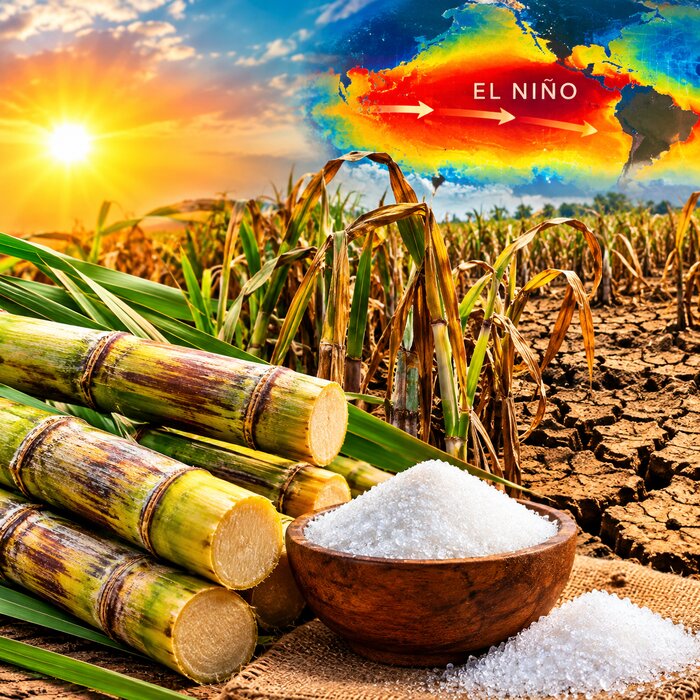
Suva: Sugarcane farmers in Fiji’s northern region are facing growing challenges from prolonged dry conditions, with the impact of El Nino expected to threaten crop production and farming livelihoods into the middle of 2027, Fiji Sun reported.
Minister for Agriculture, Waterways and Sugar Industry Tomasi Tunabuna said the effects of El Nino could continue until March 2027, while the impact of dry weather could persist for several more months.

The situation has raised concerns among farmers in the North, who are already struggling with water shortages while trying to complete harvesting ahead of the scheduled closure of the Labasa Sugar Mill’s 2026 crushing season.
During a recent visit to the Northern Division, Tunabuna met sugarcane farmers and urged them to prepare for worsening drought conditions. He called on farmers to take preventive measures to protect their crops, farms and livelihoods against the prolonged dry spell.
He also highlighted the need for farming communities to plan for adequate water supplies for their families and livestock, stressing that water conservation would be essential as dry conditions continued. Even if rainfall returned in March, its benefits might not immediately reverse the impact of the drought, he cautioned.
Women sugarcane farmers in Labasa said the dry spell had already affected their farming activities, livestock and household water availability since last month.
Shakuntala Devi, Nazimun Khan, Veda Singh, Sarojni Devi, Kiran Lata and Tamalesi Diloilo reported difficulties in accessing water.
Diloilo expressed concern that insufficient rainfall could affect the 2027 sugarcane crop. She said water tankers were generally used to meet household requirements rather than supply farms, potentially making cultivation more difficult if drought conditions persisted. She also hoped the Government would introduce support measures for farmers.
Singh, from Batinikama, said water supplies were being interrupted during the day and restored only after 9 pm, forcing families to store water overnight for household use and livestock.
Khan, from Korowiri, said families were struggling to allocate limited water between domestic requirements and their animals.
Amid concerns over the impact of the dry spell on farming communities, Minister for Public Works, Meteorological Services and Transport Ro Filipe Tuisawau has urged the public to conserve water.
He said the Fiji Meteorological Service had forecast below-normal rainfall until the end of the year during the El Nino period, with October to December expected to be the driest months.
The Water Authority of Fiji (WAF) has activated dry-weather contingency plans across all three regions to maintain supplies. Measures include additional pumping, temporary pumping stations, closer monitoring of water sources, adjustments to pumping schedules and repairs to leaking pipelines.
Water tankers are also being deployed where necessary, while work is underway to rehabilitate water intakes and develop additional water sources.
Tuisawau said some interventions could result in reduced water pressure or intermittent supplies, but were necessary to maintain water availability during the prolonged dry conditions.
WAF is coordinating with the Fiji Meteorological Service and other government agencies to scale up its response as weather conditions evolve.