
The transition of India to clean energy is an important stage. Now that it has made remarkable progress on ethanol blending, the country seeks a new frontier in the form of advanced biofuels.
These fuels, derived from agricultural refuse, municipal solid waste, used cooking oil, and other non-food biomass, represent a bold progress in India’s shift away from dependence on fossil fuels.

This shift is intended to improve energy security, accelerate rural development, and meet climate goals. Unlike first-generation biofuels derived from food crops, advanced biofuels take a more circular approach. They turn waste into precious resources, realise broader cuts in emissions, and get around the controversial debate of food versus fuel.
Consequently, they are closely aligned with India’s twofold aspirations of achieving Net Zero by 2070 and moving towards a developed Bharat.
India has become one of the world’s quickest adopters of ethanol blending. But the next step needs diversification; sugarcane or grain as ethanol alone is no longer sustainable.
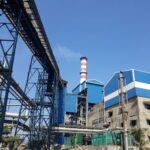
Second-generation (2G) ethanol plants that utilise crop residues like rice straw for fuel represent a far-reaching policy and technical shift. Programs from the government, such as Sustainable Alternative Towards Affordable Transportation (SATAT), are ramping up the volume of compressed biogas (CBG), and oil firms invest in 2G ethanol and sustainable aviation fuel (SAF).
Thus, we can see that advanced biofuels are no longer just experimental as they are entering the mainstream market.
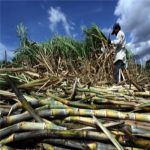
This is particularly pertinent for northern India, where stubble burning has been rampant and known to be environmentally damaging. By converting paddy straw into ethanol or CBG, farmers could have an alternative income, so converting paddy straw into ethanol or CBG is a clear market-based approach to prevent air pollution. India imports more than 80% of its crude oil.
This dependence also diminishes for every extra litre of advanced biofuel produced locally. This is a trade-off not only of replacing imports, but also of energy security. Advanced biofuels contribute much to greenhouse gas emissions reduction compared to conventional biofuels. They use feedstocks that would otherwise be burned or disposed of, thereby achieving a net reduction in methane emissions with improved waste management.
Sustainable aviation fuel and renewable diesel are also alternative decarbonisation options in hard-to-electrify sectors such as aviation and heavy transport. As worldwide carbon regulations become tighter, India’s early adoption of these fuels could lead the country to both be a consumer and an exporter.
Farmers also get revenue by selling the residues, and local jobs grow. A network for the transport and aggregation of biomass comes into operation, providing a real operationalisation of a circular economy at the village level.
A common integrated model improves climate resilience and contributes to inclusive growth, a unique case of alignment of public policy. Advanced biofuels are capital intensive things to develop. The logistics of feedstock collection still pose a severe challenge. Technological risks and viability gaps remain of today.
Further private investment is contingent on long-term clarity on prices and reliable off-take mechanisms. In addition, reliable sustainability certification schemes are needed to verify physical environmental benefits. The policy agenda needs to find a balance between aspirations and implementation capacity.
The rise of advanced biofuels is about more than just cleaner fuels; it is an opportunity for a wholesale, radical change in waste management, a shift in farm self-sufficiency, a step towards energy sovereignty and a move toward a low-carbon development model adapted for India.
If India’s initial attempts to make biofuels focused on blending targets, the next chapters will have to build on technological depth and systemic overhaul. Advanced biofuels are poised to transition ambition in India’s future and act more like a fundamental plank of the Green Vision, thereby linking ambition with action in the future.