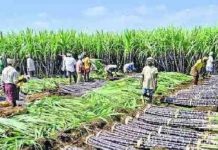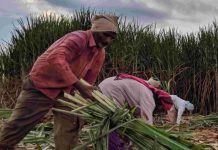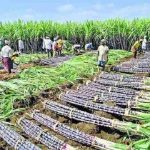

Belize’s sugar industry continues to face a serious labour shortage, with fewer Belizeans willing to take up the tough work of cutting sugarcane, reports Greater Belize Media.
Last season, more than one hundred thousand tonnes of cane were left unharvested due to a lack of manpower. While the sector is gradually moving toward mechanical harvesting, the demand for manual cutters remains high. Farmers have long relied on immigrant workers, but rising transport expenses and higher work permit fees are cutting into already tight margins.

To understand how the labour gap can be closed—and why Belizeans are not stepping in—Marcos Osorio, Chairman of the Sugar Industry Control Board, shared his views.
Osorio said the industry must be better organised before seeking government assistance. “We need help from the government, but that can only happen if we are prepared. As an industry, we should be able to say that for the upcoming harvest we need a hundred cane cutters, and that we have already identified workers—some from Guatemala and others from Honduras. Once we have done our part and are fully ready, then we can approach the government and ask how they can support the process,” he said.
He explained that bringing in labour has become significantly more expensive. “Farmers who hired foreign workers last season spent almost six hundred dollars per cutter just for the border stamp. By the time the permit is approved, there’s another three hundred dollars to pay. Each stamp now costs two hundred dollars per month. It used to be fifty. The work permit fee has also gone up—from two hundred dollars to three hundred,” he said.
Responding to questions about why Belizeans are reluctant to take up the job, Osorio said both pay and working conditions are major factors. “Part of it is the wages. The other part is the nature of the work. It’s hot, exhausting, and very dirty, especially because we harvest burnt cane and workers are covered in ash all day. The pay does not offer much motivation,” he said.