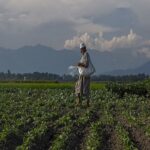

The Ministry of Agriculture and Livestock (MAG) has declared a phytosanitary emergency following the spread of orange rust fungus in the country’s sugarcane fields, raising concerns over crop losses and farmer incomes, The Costa Rica reported.
Agriculture Minister Víctor Carvajal said authorities had received early information about the outbreak in February, even before the end of 2025. However, the scale of the damage became clear only after a preliminary report was submitted in March, leading to the formal declaration in recent days.

The disease has affected around 40% of the total sugarcane cultivation area, estimated at 1,530 hectares, and has already led to a 37% decline in yields.
The worst-hit areas are the cantons of Pérez Zeledón and Buenos Aires in the Brunca region. Officials said the region is particularly important for the sugar sector as it is home to a large number of small and medium farmers, many of whom have been impacted.
Experts said efforts are underway to control the spread of the disease. Alejandro Rodríguez from the Sugarcane Industrial League’s research and extension body said the response includes identifying infected crops, improving field management through fertiliser use and weed control, applying protective sprays, and replacing vulnerable crop varieties with more resistant ones.
Orange rust is a fungal disease that affects sugarcane leaves, creating orange spots that spread through spores carried by the wind. As the infection worsens, leaves dry out and lose their ability to support plant growth, reducing sugar output and affecting overall production.
Officials warned that the disease could lead to financial losses for farmers if not contained in time.
The last major outbreak of orange rust in the country was reported in 2007, when it caused a 27% drop in sugar production.