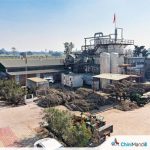

In a move towards clean energy and rural development, the Sanjivani Cooperative Sugar Factory has launched a Bio-CNG project that converts sugarcane waste into fuel, marking a significant step in sustainable practices within the cooperative sector, Indian Cooperative reported.
The project, led by Vivek Kolhe, is now fully operational and produces around 12 tonnes of gas per day using agricultural waste. Officials said the initiative reduces dependence on imported fuels while creating additional income opportunities for farmers.

Kolhe described farmers as “urjadata,” or energy providers, highlighting their growing role in the energy sector through such initiatives. The project is among the early cooperative-led efforts in the country to produce clean fuel from farm waste on a large scale.
In addition to Bio-CNG, the factory has introduced an ethanol-based cooking stove as an alternative to liquefied petroleum gas (LPG). The stove is expected to offer a more affordable and environmentally friendly option, especially at a time of rising fuel prices. The ethanol used is produced from sugarcane, linking energy production directly with agriculture.
The initiative reflects a broader push towards energy self-reliance, with the cooperative model playing a key role in promoting innovation and sustainable growth in rural areas.
Industry observers say such projects demonstrate how sugar cooperatives can support both clean energy goals and farmer incomes, while contributing to the country’s long-term development plans.