Indonesia is considering reviving its plan to introduce a B50 palm oil-based biodiesel mandate as rising crude oil prices linked to the Middle East conflict prompt authorities to reassess the country’s biofuel strategy, Reuters reported.
Deputy Energy Minister Yuliot Tanjung said the government could launch the B50 biodiesel blend—comprising 50% palm oil-based biodiesel and 50% conventional diesel—later this year if global oil prices remain elevated.

However, he clarified that no final decision has been taken yet.
In January, the government had abandoned plans to introduce the B50 blend in 2026 due to technical and financial challenges, opting instead to continue with the B40 biodiesel programme.
“B50 might be implemented in the second semester or even earlier,” Tanjung said, adding that the steering committee overseeing biodiesel policy was still maintaining the B40 mandate until the end of 2026 while monitoring price movements closely.
The biodiesel steering committee, led by Coordinating Economic Affairs Minister Airlangga Hartarto, includes several ministries responsible for shaping Indonesia’s biofuel policies.
Indonesia, the world’s largest producer of palm oil, has a biodiesel mandate that significantly influences global vegetable oil markets because higher domestic consumption can reduce export supplies.
Global oil prices surged above $100 per barrel on Monday, while palm oil prices also strengthened on expectations that higher crude oil prices could boost demand for biodiesel feedstocks.
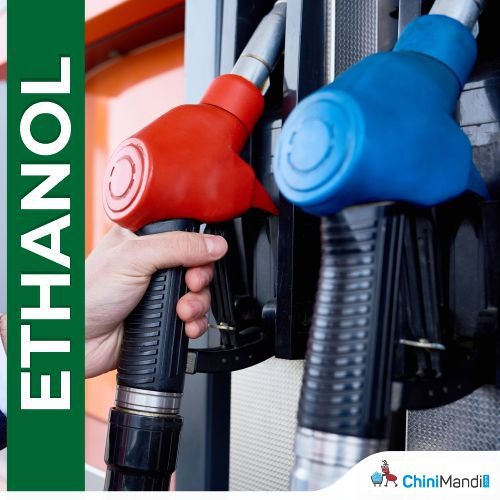
Energy Minister Bahlil Lahadalia also indicated that the government could accelerate biofuel programmes, including both the B50 biodiesel initiative and a planned ethanol blending programme for gasoline.
Meanwhile, Finance Minister Purbaya Yudhi Sadewa said the government was prepared to increase fuel subsidy allocations if necessary to cushion the impact of rising global energy prices.