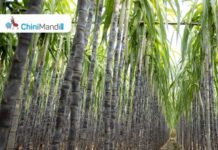
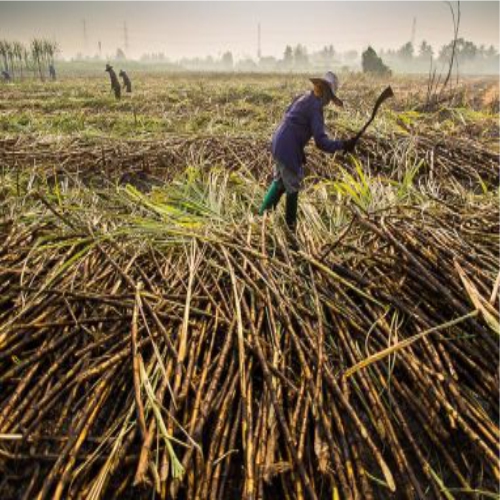
Surabaya, East Java: Agriculture Minister Andi Amran Sulaiman has announced a plan to develop 70,000 hectares of sugarcane plantations in East Java under a national programme aimed at strengthening domestic sugar production through faster downstream development, reports Antara News.
Speaking at a meeting in Surabaya on Tuesday, Sulaiman said the national target for new sugarcane plantations stands at 100,000 hectares, with East Java chosen for most of the expansion because of its large land availability and strong potential.

He said East Java already accounts for around half of Indonesia’s sugarcane plantations, making it central to the country’s efforts to achieve sugar self-sufficiency. The province, he added, has long experience in sugarcane farming, skilled manpower and the necessary supporting infrastructure.
Sulaiman said success in East Java would have a direct impact on national outcomes and expressed confidence that Indonesia could avoid importing white sugar next year if the programme progresses as planned.
According to the minister, Indonesia initially requires around 35,000 hectares of new sugarcane plantations, while land reserves identified in East Java alone total about 68,000 hectares.
He said the programme is expected to begin towards the end of 2025 and continue between January and March 2026. Several institutions, including the military, the National Police and the attorney general’s office, will be involved to ensure smooth implementation and legal clarity.
The government has allocated about Rp1.6 trillion (around US$92 million) from the national budget to support sugarcane plantation development, including the supply of farm machinery. This includes the provision of 120 to 200 tractors valued at roughly Rp100 billion (US$5.7 million), with priority given to major sugarcane-growing areas in East Java.
Sulaiman said he was confident the 70,000-hectare target in East Java could be achieved and would provide long-term support to the national sugar industry.
The government is also seeking to raise sugar production for industrial use to cut reliance on imports, after sugar imports over the past two years reached nearly Rp100 trillion, putting pressure on the country’s foreign exchange reserves.