Kathmandu: The government of Nepal has moved ahead with plans to blend 10 percent ethanol with petrol, a step that is drawing growing interest from private investors and non-resident Nepalis in alternative fuel production, My Republica reported.
The policy gained momentum after the cabinet approved the “Order on Using Ethanol in Petrol, 2082,” which provides a legal framework for producing ethanol in the country and mixing it with petrol before sale.

Following the approval, the Nepal Oil Corporation (NOC) is preparing to begin ethanol blending. Managing Director Chandika Prasad Bhatta said the corporation will set up the required system for production, procurement and blending once operational procedures are completed. The initiative is expected to reduce petrol imports, save foreign currency and lower vehicle emissions.
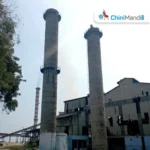
The policy has also attracted investment proposals from the Nepali diaspora. A group of non-resident Nepalis based in the United States has proposed setting up Kian Chemicals Industries Pvt. Ltd. with an investment of around Rs 1.2 billion to produce ethanol in Nepal. The company plans to establish three plants in Parsa Province, Koshi Province and Lumbini Province.
If the project moves forward, it could create about 2,000 direct jobs, while nearly two million people may be involved in supplying raw materials such as cassava and other crops, providing farmers with additional income opportunities.
Studies conducted by NOC show that blending 10 percent ethanol with petrol could reduce daily petrol consumption by around 400,000 litres. Nepal currently uses about 2 million litres of petrol per day, or roughly 73 million litres annually. A 10 percent blend could reduce imports by nearly 7.3 million litres each year.
NOC purchases petrol from Indian Oil Corporation at about Rs 85 per litre, and officials estimate that the ethanol blending programme could save more than Rs 600 million in foreign currency annually. The Ministry of Industry, Commerce, and Supplies has projected similar benefits from reduced imports.
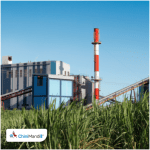
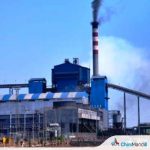
Ethanol will be produced from agricultural and organic materials such as molasses, napier grass, crop residues and unusable grains. Officials say this could help increase the use of farm produce while offering farmers another source of income.
The order also states that ethanol cannot be produced from grains used directly for food, and all ethanol must be sold only to NOC. The Nepal Bureau of Standards and Metrology will monitor product quality and ensure that production follows environmental guidelines. Prices for ethanol will be decided by the cabinet based on recommendations from a committee led by the industry ministry.
Plans to blend ethanol with petrol were first discussed nearly two decades ago in 2060 BS, but the lack of procedures and production facilities delayed the move. With the new policy in place, the government hopes to expand alternative energy use, support agro-based industries and reduce dependence on petrol imports.