The Kyrgyz Cabinet of Ministers has approved higher excise taxes on alcoholic beverages and sugar-containing drinks, including children’s juices, as part of a wider tax reform that will be rolled out in stages over the coming years, reports The Times of Central Asia.
The State Tax Service (STS) said the changes are part of a long-term plan that will be adjusted gradually through the end of the decade.

Under the new rules, excise duty on vodka and other spirits has risen from about $1.8 to $2.2 per litre. Authorities also plan to increase this rate by roughly $0.2 per litre each year in the future. Taxes on other alcoholic drinks have also been raised, with wine seeing an increase of about $0.05 per litre to roughly $0.2, cognac rising by around $0.4 per litre to about $1.6, and beer going up by nearly $0.03 per litre to about $0.2.
The tax service said the increases are being introduced step by step to limit their impact on consumer prices. Officials added that the measures are also intended to reduce consumption of products considered harmful to health.
Data from the STS show that in the first 11 months of last year, Kyrgyzstan collected around $228.5 million in excise tax revenue. About $55 million of that amount came from goods produced within the country, including roughly $38.8 million from alcohol sales.
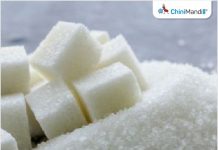
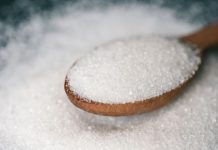
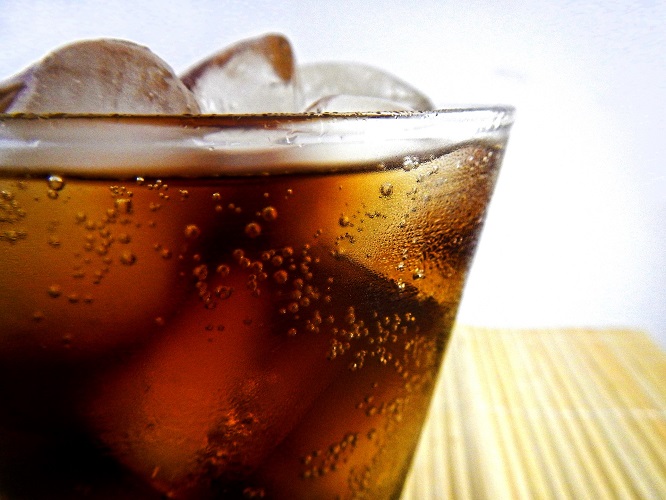
As part of the reform, the government has also introduced an excise tax on sugar-containing beverages for the first time. This includes drinks that were previously classified as baby food and exempt from such taxes.
The STS said some producers had labeled sweetened drinks as baby food to avoid paying excise duties, creating an uneven playing field. To address this issue, all beverages containing sugar, including children’s juices, will now face a minimum tax of about $0.03 per litre.
Because these products are usually sold in small packages, authorities estimate the price increase for consumers will be limited to around $0.01 per unit.
Officials said the changes reflect a broader regional shift toward using tax measures to discourage unhealthy consumption while also boosting government revenue for public spending.