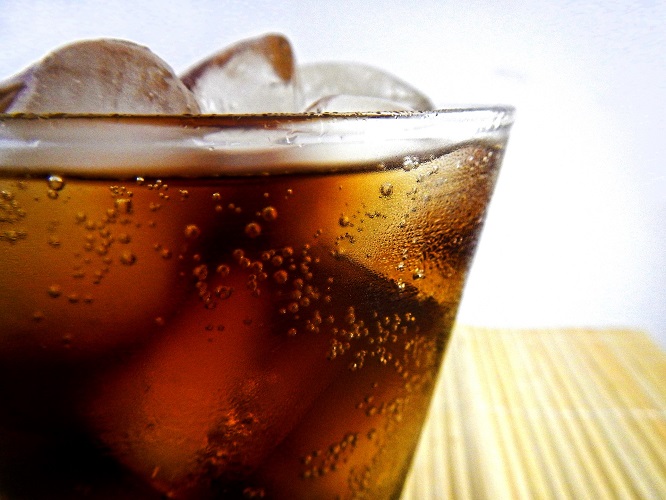
Lithuania has introduced an excise tax on sugar-sweetened beverages (SSBs), effective from 1 January 2026, marking a major step towards preventing avoidable disease and premature deaths linked to excess sugar consumption.
This means Lithuania joins a growing number of countries using fiscal policies to encourage healthier consumption patterns among their populations.

“Introducing a tax on sugar-sweetened beverages is an important measure our government is adopting to reduce the growing burden of chronic diseases. Overweight and obesity are growing in Lithuania – our children consume more than the recommended amount of sugar, which contributes significantly to the increase in chronic diseases. A sugar tax is an evidence-based measure that helps reduce the consumption of sweetened beverages. We cannot ignore the facts – action must be taken today if we want a healthier society in the future,” said Marija Jakubauskienė, Minister of Health of Lithuania.
“Lithuania is taking a smart, evidence-based step to improve diets and reduce noncommunicable diseases. With dietary risks linked to a quarter of all deaths in Lithuania and more than 1 in 10 school children drinking sugar-sweetened drinks every day, measures that increase the price of high-sugar products and encourage reformulation can make a real difference,” said Dr Hans Henri P. Kluge, WHO Regional Director for Europe.
The new excise tax introduces a tiered system for beverages with added sugars or sweeteners.
Products with 2.5–7.9 g of added sugar per 100 ml or any amount of sweeteners, will be taxed at €7.4 per 100 litres, while those containing 8 g or more will face a rate of €21 per 100 litres.
Concentrated beverages will be taxed €105 per 100 litres in liquid form or €4.3 per kilogram otherwise. The measure excludes food supplements, foods for special medical purposes, infant and follow-on formula, pharmaceutical products, nectars with added sugar and drinkable dairy products.