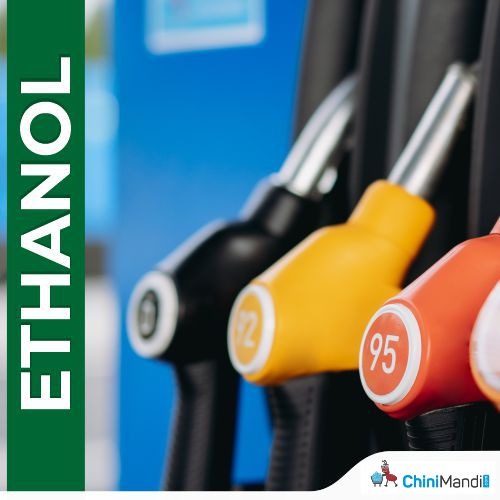
A decade after India started mixing ethanol with petrol, Nepal is preparing to adopt a similar measure in an effort to reduce its growing fuel import costs, The Kathmandu Post reported.
India began blending ethanol into petrol in 2014, initially at 1.5 percent. By 2017, the blend was raised to 10 percent, commonly called E10. In April 2023, India expanded the programme nationwide with a 20 percent blend, known as E20, becoming one of the fastest countries to scale up ethanol use.

Indian authorities say the programme has saved $12.09 billion in crude oil imports over the past decade and cut carbon emissions by 54.4 million tonnes. Officials claim the reduction is equal to removing 12 million petrol-driven cars from the roads each year.
Yet the policy has drawn criticism. To boost ethanol output, India redirected crops such as sugarcane, maize and rice toward fuel production. This move reduced the supply of grains for food and animal feed and shifted farmland away from food cultivation. After the introduction of E20, some farmers and consumers expressed dissatisfaction.
In Tibbi, in Hanumangarh district of Rajasthan, protests against the construction of an ethanol plant turned violent on December 11 last year, leaving both demonstrators and police personnel injured.
Some vehicle owners in India have also complained that ethanol-blended petrol lowers fuel mileage and affects engine performance, especially in older vehicles. They say it has led to more frequent refuelling and repair visits.
Blending ethanol with petrol is also practised in countries such as Brazil, Thailand and the United States.
In Nepal, officials and private sector representatives said on Sunday that introducing a 10 percent ethanol blend could benefit several areas of the economy. However, clear data to fully support the expected gains remains limited.
On December 26, the Cabinet endorsed the “Order on the Use of Ethanol Blended in Petrol, 2026,” allowing the Nepal Oil Corporation to mix up to 10 percent locally produced ethanol with imported petrol. The plan had been under discussion for nearly 20 years.
The initiative aims to reduce Nepal’s rising fuel import expenses. The oil corporation estimates the country could save more than Rs6 billion annually through the move.
Speaking at a programme organised by the Society of Economic Journalists-Nepal, Minister for Industry, Commerce and Supplies Anil Kumar Sinha said that a 10 percent blend could lower annual petrol imports by around 130 million litres.
“This would save nearly Rs6 billion in foreign currency each year,” he said, adding that the savings could help strengthen economic activity within the country.
Nepal imported petroleum products worth Rs326.14 billion in the last fiscal year, making them the country’s largest import item. The government collected Rs129.43 billion in taxes from petroleum imports. Petrol alone accounted for 746,420 kilolitres valued at Rs64.12 billion.
Despite the projected benefits, concerns have been raised. Some studies indicate that ethanol made from food crops may not significantly reduce emissions, as farming and processing can also release greenhouse gases. Critics have also questioned whether Nepal has enough raw materials to sustain production.
One source familiar with the issue said domestic farm output is already insufficient to meet food needs and that sugarcane production remains limited. The source warned that Nepal might eventually have to import raw materials if local supply falls short.
Government officials have dismissed these concerns, stating that food grains will not be used for ethanol production. Instead, by-products such as molasses from sugar mills will be utilised.
Govinda Prasad Karki, secretary at the Office of the Prime Minister and Council of Ministers, said the order clearly defines the raw materials to be used, the pricing process and the responsibilities of the oil corporation, private producers and quality monitoring agencies.
“No energy source is completely free of drawbacks,” Karki said, adding that the government had examined both the advantages and possible risks before moving ahead. He also denied that the decision was influenced by business or political pressure.
Chandika Prasad Bhatt, managing director of Nepal Oil Corporation, said ethanol could be produced from molasses, Napier grass, unused agricultural and forest waste, straw, maize cobs, wheat husk and yam. He stressed that grains meant for food are banned for this purpose and that ethanol producers must sell only to the corporation.
A committee led by the secretary of the Ministry of Industry, Commerce and Supplies will fix the purchase price of ethanol, subject to Cabinet approval. The oil corporation will prepare separate rules for buying the fuel.
Bhatt acknowledged that ensuring ethanol is priced lower than petrol and maintaining adequate supply would be major challenges, given Nepal’s limited production capacity. He said attracting investors and informing the public about the benefits of ethanol would be essential.
Madhav Timilsina, president of the Consumer Rights Investigation Forum, said the policy could provide fair returns to sugarcane farmers and create jobs, but stressed that consumer interests must remain a priority.
“There must be no compromise on fuel quality after blending. How will purity above 99.5 percent be ensured? What will be the impact on vehicle mileage? Consumers need clear answers,” he said.
Shashikant Agrawal, president of the Nepal Sugar Mills Association, said that although the order has finally been issued after two decades, detailed procedures are still pending.
He said 12 sugar mills could collectively produce up to 360,000 litres of ethanol per day if sufficient raw materials are available. However, mills lacking proper facilities would need significant investment to start production.