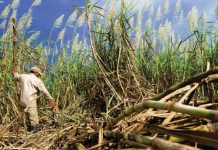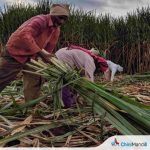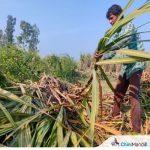
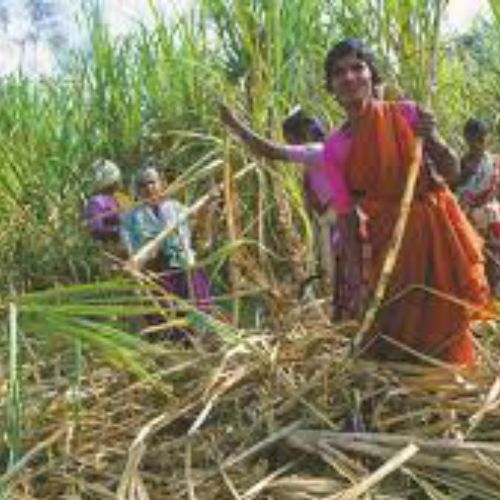
Maharashtra is developing a model to protect migrant sugarcane workers and their families, with a special focus on women. The programme aims to better connect sugar mills, government services, and local organisations so seasonal workers can access healthcare, welfare benefits, and other support during the harvest, Punekar News reported.
A high-level roundtable chaired by Dr. Sanjay Kolte, Sugar Commissioner of Maharashtra, was held on 16 February 2026. The meeting brought together officials from seven government departments, over 70 sugar mills, two industry associations, and civil society groups. The session was supported by Bonsucro, the global platform for sustainable sugarcane, and WISMA, the West Indian Sugar Mills Association.

“In Maharashtra’s sugarcane economy, protecting workers, especially women, is as important as increasing production,” said Dr. Kolte. “By coordinating between departments and partnering with mills and civil society, we can ensure every worker knows their rights and can access government schemes and essential services.”
Participants discussed the challenges faced by migrant workers and their families, including seasonal migration, limited healthcare, and low awareness of welfare benefits. Officials highlighted the difficulties women workers face, balancing demanding fieldwork with unpaid care responsibilities.
“Decent work cannot stop at the farm gate,” said B. B. Wagh, Additional Labour Commissioner, Pune Division. “We need strong systems so that safety, social protection, and grievance mechanisms reach workers wherever they are.”
Officials from the Health and Livelihoods Mission departments stressed continuity of services for migrant families. Dr. Sandip Sangle, Additional Director of Public Health, said, “Health care, nutrition, and children’s learning should move with the families. Closer coordination with mills and community groups will help make that possible.”
The roundtable approved a pilot programme called GROW (Gender Rights, Opportunity, and Work Empowerment). It will operate in Solapur, Pune, Kolhapur, and Vijayapura districts, linking mill-level actions with government delivery systems and prioritising women workers’ health, safety, and economic participation.
“This pilot shows how government leadership and industry action can improve the lives of sugarcane cutters,” said Manisha Majumdar of Bonsucro. WISMA added that women’s voices will guide the programme to ensure it is inclusive and practical.
Officials also discussed providing insurance coverage for migrant workers and creating identity cards and a central dashboard for contractors to better track and support workers.
The pilot aims to build a model that ensures safety, social protection, and access to government schemes for Maharashtra’s seasonal sugarcane workforce, with women at the centre of the effort.