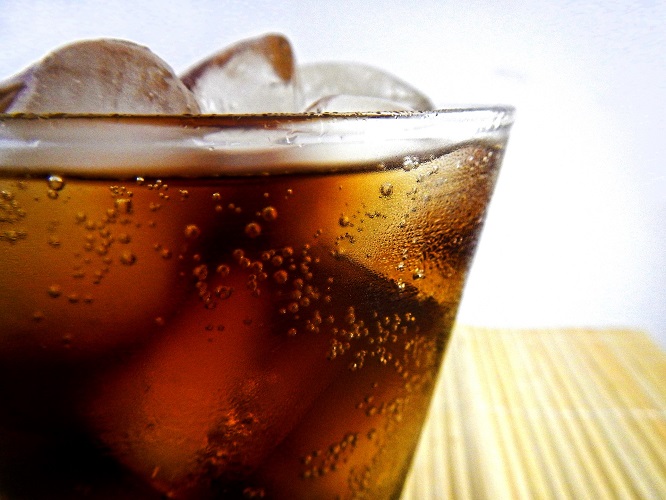
Manufacturers operating under the Manufacturers Association of Nigeria (MAN) have opposed a proposal to raise excise duty on carbonated sugar-sweetened beverages (SSBs) through an amendment to existing legislation.
Their objections were voiced during a public hearing held last week by the Senate Committees on Finance and Customs on the proposed amendment to the Customs and Excise Tariff (Consolidation) Act, reported Vanguard.com

The bill aims to raise the current SSB excise tax from N10 per litre to a minimum of 20 percent of a product’s retail price, in accordance with World Health Organisation (WHO) recommendations. It also proposes that part of the revenue generated from the tariff be allocated to health promotion and disease prevention initiatives.
Supporters of the bill argue that the measure would help reduce SSB consumption among Nigerians. However, manufacturers urged caution, warning that the amendment could lead to job losses in the sector.
Speaking on behalf of MAN, its director, Mr. Adeyemi Folorunsho, rejected claims that SSB consumption is a major driver of rising cases of diabetes, obesity, and other related illnesses in the country.
“Nigeria actually has the lowest rate of sugar consumption globally, at 8.3 million kilogrammes, compared to the expected 22.1 million kilogrammes,” he said.
Folorunsho called on the Senate committees and other stakeholders to pursue a balanced, mutually beneficial approach to the amendment.
In contrast, the Federal Ministry of Health, represented by the Minister, Prof. Ali Pate, endorsed the proposed amendment, describing it as a progressive, evidence-based step in public health financing.
He stated: “We commend the Senate for proposing a bill that increases the excise tax on sugar-sweetened beverages (SSBs) and earmarks part of the revenue for health promotion.
“This move reflects strong political will, aligns fiscal policy with public health objectives, and provides sustainable funding for prevention programmes—crucial components of achieving universal health coverage.”