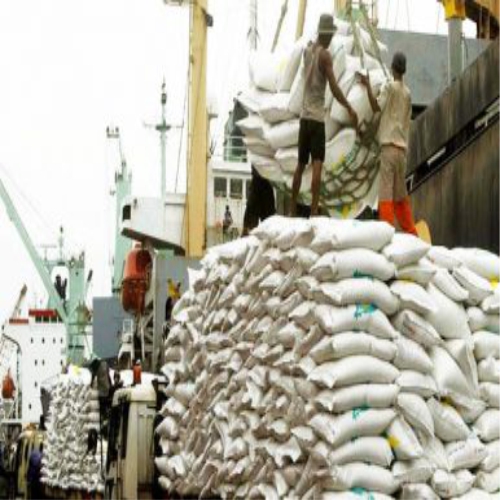
Newly released government documents have provided a decade-long overview of Pakistan’s raw sugar imports and exports, highlighting structural weaknesses and missed opportunities in the country’s sugar industry, according to the media reports.
According to the Ministry of Industries, Pakistan imported raw sugar worth $314 million between 2015 and 2025, while sugar exports during the same period ranged between $1.60 billion and $1.67 billion. Although exports exceeded imports in value, the trade remained inconsistent, pointing to irregular performance in international markets.

Despite ranking as the world’s seventh-largest sugar producer, Pakistan’s global share is only 6%, underscoring the underutilization of its production potential. The country relies almost entirely on sugarcane, with little diversification in raw material sources.
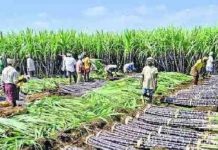
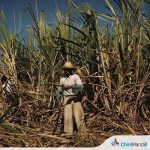
Over the past decade, the area under sugarcane cultivation expanded to 1.195 million hectares, producing roughly 79 million metric tons annually. Sugar output has shown notable growth, rising from 4.8 million tons in 2019–20 to 7.8 million tons in 2021–22.
The documents reveal that beet sugar makes up a mere 1.16% of total sugar production, highlighting Pakistan’s overwhelming dependence on sugarcane. Analysts warn that this lack of diversification increases production risks and contributes to supply volatility.
During the country’s 100-day crushing season, only about 60% of industrial sugar demand is met, resulting in almost 40% of milling capacity going unused. This inefficiency raises costs and reduces competitiveness in global markets.
The Ministry’s data also points to a persistent price gap between raw and refined sugar internationally. Between 2023 and 2024, refined sugar consistently commanded higher prices than raw sugar—$660 per ton versus $570 per ton in 2023, narrowing to a $54 difference in 2024. This gap represents a significant chance for Pakistan to boost exports through domestic refining and value addition.
Officials stress that improving operational efficiency, reducing capacity losses, and implementing consistent export policies could enhance the country’s foreign exchange earnings and strengthen its industrial output.