
The surge in global crude oil prices following the Israel-Iran conflict could reshape India’s fuel strategy, with higher ethanol blending emerging as a key buffer against rising import costs.
Crude has climbed nearly 9–10 per cent amid escalating tensions in West Asia. Brent is hovering close to $80 per barrel, while US crude futures have risen to $72.79 from about $67 last week. If tensions persist, traders expect prices to remain firm.

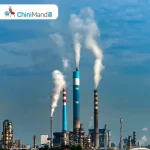
For India, which imports more than 88 per cent of its crude requirement, sustained high prices threaten to widen the import bill and pressure public finances. A large share of these imports passes through the Strait of Hormuz, making supply lines vulnerable during regional instability.
Against this backdrop, ethanol blending gains renewed economic relevance. Higher crude prices improve the viability of ethanol, making blending more attractive for oil marketing companies while reducing dependence on imported fuel.
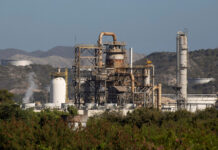
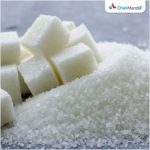
India has already reached close to 20 per cent ethanol blending in several states ahead of schedule. The country has the capacity to produce up to 1,900 crore litres of ethanol annually — 900 crore litres from sugar-based feedstock and 1,000 crore litres from grains such as rice and maize, according to ISMA Director General Deepak Ballani.
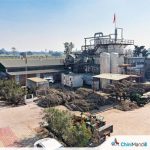
However, only 289 crore litres have been allocated to the sugar sector for the 2025–26 ethanol supply year, leaving significant distillery capacity underutilised. Industry observers say prolonged high oil prices could prompt the government to allow greater diversion of sugarcane and surplus grain towards ethanol production.
Markets have already factored in this possibility. Shares of sugar companies rose up to 10 per cent on Wednesday, even as broader indices traded lower.
If crude remains elevated, ethanol blending may shift from being a long-term clean energy target to an immediate economic necessity — offering India a partial shield against volatile global oil markets while supporting domestic sugar and grain producers.