
The Rs 450-crore ethanol plant proposed by a private firm in Rajasthan’s Hanumangarh district is expected to shut down operations in the state and relocate to Madhya Pradesh once the necessary procedural formalities are completed, a company representative told The Times of India on Monday.
According to the news report, construction at the site had been suspended weeks after violent protests erupted, led by local farmers who feared the project would harm soil fertility and worsen pollution. The project, which was initially approved under the Ashok Gehlot-led Congress government in 2023, returned to the spotlight in December 2025 amid allegations that industrial effluents and waste could contaminate farmland and groundwater in the area.

As per the news report, speaking on condition of anonymity, a company official said continuing the project in Hanumangarh was no longer viable. “Given the circumstances, continuing work here is not feasible. We will comply with all procedures required for relocation,” the official said.
The representative added that the company was unable to persuade farmers that the plant would operate with a zero-liquid-discharge system and advanced pollution-control mechanisms. “The project would have generated employment and ensured fair prices for local agricultural produce,” the official said.
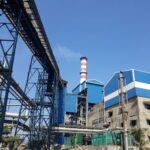
The ethanol plant, spread across 40 acres in Rathi Khera village of Tibbi tehsil, was being developed by a Chandigarh-based company with an investment of about Rs 450 crore. It was designed to produce 1,320 kilolitres of grain-based ethanol per day and included a 40 MW co-generation power plant. The facility was to use locally sourced rice, maize and straw, and was aligned with India’s Ethanol Blended Petrol (EBP) programme aimed at promoting cleaner fuel and reducing fuel imports.
Despite the company’s apparent decision to relocate, protesting farmers said their agitation would continue until the project is formally scrapped. “We are not against industry, but it cannot come at the cost of our land and water. Until there is a written order cancelling the plant, our protest will continue,” said Girdhari Lal, a farmer from Tibbi.
The protests intensified on December 10, when a mahapanchayat drew thousands of farmers to Tibbi. After the meeting, protesters marched to the construction site and dismantled portions of the boundary wall. Police intervention using batons and tear gas led to clashes, leaving more than 50 people—including farmers and police personnel—injured, and several vehicles damaged.
Following the unrest, the administration halted work on the project the same day. Talks held on December 12 failed to yield a consensus, and on December 17 the Bharatiya Kisan Union announced it would continue the agitation.