Sugarcane farmers have warned that the possible collapse of Tongaat Hulett could lead to large-scale job losses, deepen rural poverty, and increase South Africa’s dependence on imported sugar, Farmer’s Weekly reported.
Ahead of the company’s provisional liquidation hearing scheduled for 27 February, letters were sent to President Cyril Ramaphosa and the ministers responsible for finance; trade, industry and competition; agriculture; and public works and infrastructure.

Speaking to Farmer’s Weekly, Dr Thomas Funke, CEO of the South African Canegrowers Association, said an unfunded liquidation would have immediate and serious consequences. He said Tongaat Hulett’s three KwaZulu-Natal mills — Maidstone, Amatikulu, and Felixton — would not be able to operate normally, sell the refined sugar already produced, or generate income, placing severe pressure on cash flow.
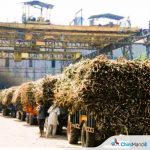
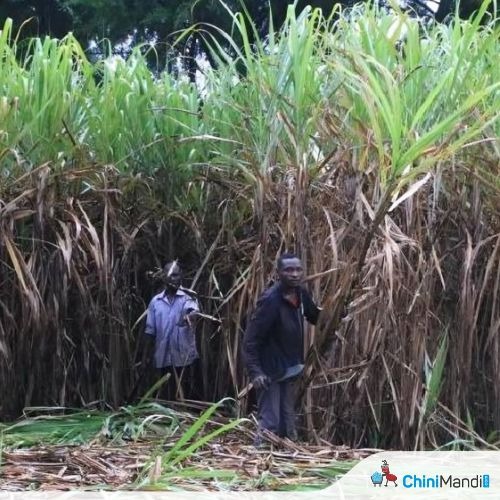
Funke said 18,000 of the country’s 28,100 cane growers depend entirely on Tongaat Hulett’s mills to process their crop. Most of them are small-scale farmers who would have no alternative milling options and would earn no income from their cane if the mills shut down.
The association estimates that about 40,000 workers employed directly by these growers could lose their jobs, with rural communities in KwaZulu-Natal and Mpumalanga facing economic and social strain.
Funke also warned that losing Tongaat Hulett’s milling capacity would push the country towards long-term reliance on sugar imports. He noted that the company is the largest producer of white sugar in South Africa, supplying confectionery, biscuit, and beverage manufacturers. If these companies are forced to import white sugar, local demand would drop sharply, affecting the entire industry.
Although global sugar prices are currently low, Funke said they are highly unstable and vulnerable to droughts, floods, climate shocks, and supply chain disruptions. Increased reliance on imports could expose the country to sudden price increases and inflation over time.
The association said stabilising existing operations would be far less costly than rebuilding a collapsed sugar value chain. Funke said that if liquidation proceeds, it must be funded so that crushing and milling continue, allowing 18,000 growers to remain in business. He added that the company’s real value lies in functioning mills, processed cane, and sugar reaching the market.
The Department of Trade, Industry and Competition is currently opposing the liquidation. The association has also urged renewed commitment to the Sugar Value Chain Master Plan 2030, which aims to protect local production and promote diversification.
SA Canegrowers chairperson Higgins Mdluli said the crisis goes beyond a single company and threatens a strategic sector. He said the cost of stabilising operations would be far lower than the long-term economic and social cost of rebuilding the industry, if that were even possible.
The association has called on the government to review sugar import measures, ensure the mills and refinery remain operational with support from the Industrial Development Corporation, remove the Health Promotion Levy, and recommit to the master plan, including support for local procurement and green fuel projects.
In response, the Department of Trade, Industry and Competition said Tongaat Hulett plays a vital role in the economy and that liquidation would have far-reaching consequences, especially in KwaZulu-Natal. The department said liquidation should be a last resort when there are reasonable prospects of rescue.
It added that the government will continue engaging with the IDC, labour unions, growers, financiers, investors, and affected communities to find a sustainable solution that protects jobs and production capacity.
Minister of Agriculture John Steenhuisen said his department is working with other government bodies and financial stakeholders to support a practical solution that preserves production and prevents long-term damage. He stressed that the immediate priority is to keep the current crushing season running so growers can deliver cane, mills can operate, and workers can continue earning an income.