Spray Engineering Devices Limited (SEDL), a leader in energy efficiency and sustainable biomass utilization, on April 12 unveiled the final test of its groundbreaking methodology aimed at transforming the global energy landscape, that builds upon its proven, world’s first boiler-less sugarcane processing technology. SEDL’s integrated agro-industrial platform designed for the total valorisation of sugarcane biomass, potentially doubling or tripling the value derived from the crop and establishing a pathway to a $500 billion green hydrocarbon industry based entirely on rural, renewable resources, according to the press release.
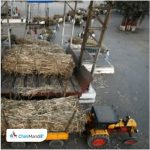
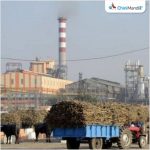
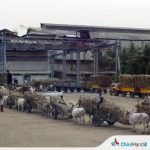
The company has also achieved another milestone by helping save nearly 60,000 tonne bagasse while processing over 1,80,000 ton/year of cane through its own boiler-less, zero-emission sugarcane processing plants.

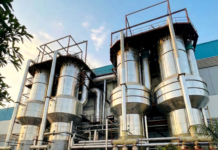
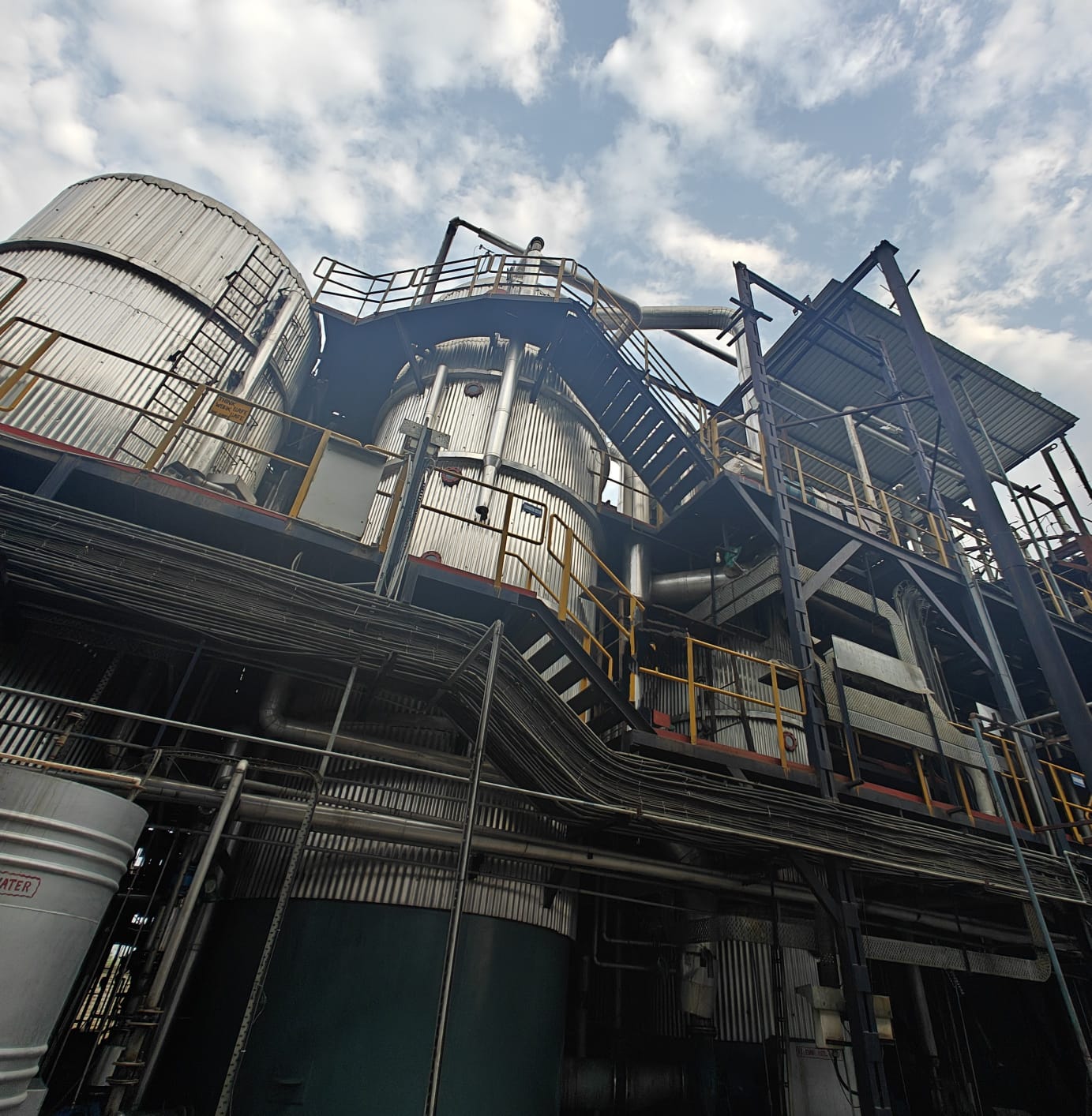
Vivek Verma, Managing Director, SEDL commented “Unlike conventional sugar processing units that rely on burning bagasse, the SEDL-developed LTE system operates without a boiler, thereby making the plant 100% fuel-free and zero carbon. It also eliminates water discharge by recycling all recovered water for irrigation on nearby organic sugarcane farms. The integration of solar power systems further supports minimal environmental footprint”.
This integrated, zero-emission system envisions converting sugarcane sugars into refined sugar and ethanol, while using cellulose-rich residues to produce 2G ethanol and other bioproducts. Combined with rural solar-powered hydrogen generation, SEDL’s vision points to a future where agricultural residues become feedstock for a domestic, green hydrocarbon economy.
This approach leverages SEDL’s patented Mechanical Vapor Recompression (MVR) based Low-Temperature Evaporation (LTE) technology – already operational in its zero-emission processing plants – as a foundational step. The new, holistic model goes significantly further, aiming to convert:
- 100% of Sugarcane Sugars
- 100% of Sugarcane Cellulose (Bagasse)
- 100% of Non-Sugar, Non-Cellulose Biomass & Waste Streams
- Integrated Green Energy Synergy
This integrated system effectively creates a closed-loop, high-value ecosystem, capable of replacing significant volumes of imported fossil fuels with domestically produced, globally cost-competitive green alternatives derived from agricultural residues.
“We are moving beyond mere efficiency in sugar processing to architecting the future of green energy and materials. “Our technology delivers superior quality while setting new benchmarks in environmental responsibility. It’s a proven model of how innovation and sustainability can co-exist in agro processing.” further added Verma.
By building upon this foundation, SEDL’s expanded vision aims to establish India, the world’s largest sugarcane producer, as a global leader in the burgeoning green hydrocarbon economy. This model offers a scalable and replicable blueprint for converting agricultural resources into high-value, sustainable fuels and chemicals, fostering rural development, enhancing energy security, and drastically reducing the nation’s carbon footprint and reliance on fossil fuel imports.
With this unit, India which is the world’s largest producer sugarcane has become home to the world’s only boiler-free, zero-emission jaggery production facility — a milestone in sustainable food manufacturing. Developed by Spray Engineering Devices Limited (SEDL) in partnership with Ecotech Agro Mills, the plant is located in Bamungaon near Guwahati and has been operational for the last four years. Built on SEDL’s patented Mechanical Vapor Recompression (MVR) based Low-Temperature Evaporation (LTE) technology, the facility is reshaping the Processing methodology of India’s Rs 1,60,000 Cr per year worth Sugarcane Valued with cleaner, more efficient processes methodology that eliminate the use of traditional boilers or furnaces.
The Guwahati plant has a crushing capacity of 500 tonnes per day (TCD) and is fully automated. It represents a pioneering shift in sugar cane Processing to jaggery production by completely removing combustion systems, significantly reducing environmental impact, and improving product quality and yield.
India exported over 516,746 metric tonnes of jaggery valued at ₹3,570.77 crores in 2023–24. With growing demand and increasing scrutiny on food safety and emissions, the Guwahati plant positions itself as a frontrunner in the jaggery market — both domestic and global.
“Our technology delivers superior quality while setting new benchmarks in environmental responsibility. It’s a proven model of how innovation and sustainability can co-exist in agro processing.” Further added Verma.
Beyond innovation, the facility has created deep-rooted social and economic value. It actively supports a network of over 8,000 organic sugarcane farmers, offering them technical training in sustainable agricultural practices, fair pricing mechanisms, and transparent procurement processes. Water conservation is ensured through complete process recycling, aligning with broader rural development and resource management goals.