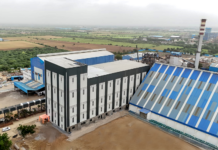
Spray Engineering Devices Limited (SED) has secured a major order from Bindals Papers Mills Limited (BPML) to modernise its sugar refinery in Bijnor, Uttar Pradesh.
The project will transform the facility’s traditional white sugar production into refined sugar, powered by advanced systems that drastically cut energy waste.

At the core of this modernisation is a leap in efficiency. The plant, designed to process 9,000 tonnes of cane per day (TCD), will integrate SED’s proprietary boiling and heating technologies to bring steam consumption down to just 22.50% on cane. This represents one of the lowest thermal footprints in the Indian sugar industry, directly lowering operational costs while significantly improving product quality.
Vivek Verma, Managing Director, Spray Engineering Devices Limited, said: “Energy efficiency is increasingly becoming central to the competitiveness of the sugar industry. Through advanced process engineering and modern refinery systems, sugar plants can significantly reduce steam consumption while improving operational reliability. We are proud to partner with BPML on this initiative, which proves that sustainability and profitability can go hand-in-hand.”
Shashi Gupta, President, Bindals Papers Mills Ltd (Unit Sugar & Distillery), added: “Upgrading our Bijnor unit is a key part of our strategy to lead in technology and efficiency. This collaboration with SED allows us to produce superior refined sugar while significantly reducing our carbon footprint. This modernisation will strengthen our regional operations, support local economic development, and ensure we remain competitive for decades to come.”
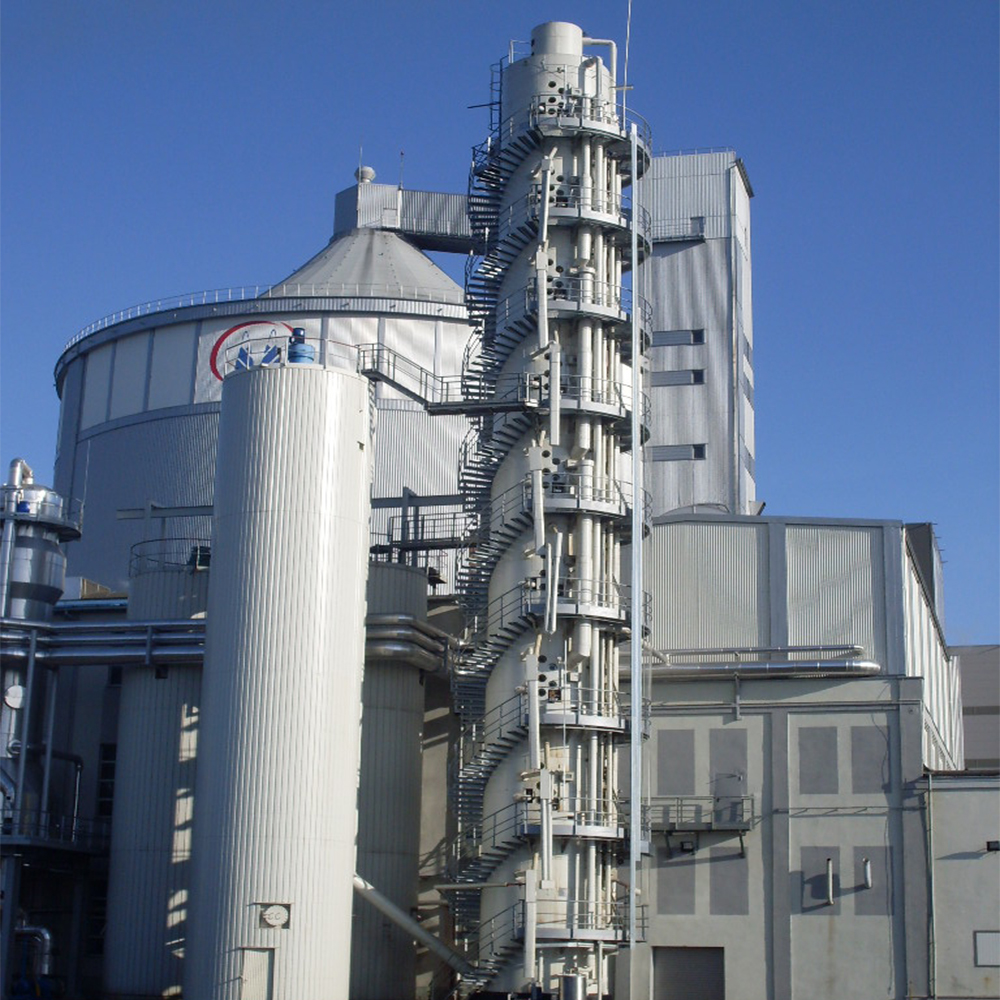
Under the agreement, SED will undertake detailed engineering, the supply of critical process equipment, automation integration, and commissioning support. The project will incorporate advanced technologies, including condensate juice heaters, SED’s proprietary Spray Continuous Pan (SCP), batch centrifugal systems, and integrated DCS-based automation, enabling improved process control and optimised energy use across refinery operations.
Equipment supply and installation are expected to progress through 2026, with commissioning planned following the completion of erection and performance trials.