
The Ministry of Cooperation has taken significant steps to safeguard the existence of cooperative sugar mills. These mills play a crucial role in supporting farmers and rural communities. The recent central sector scheme, “Grant-in-aid to NCDC for Strengthening Cooperative Sugar Mills,” aims to enhance the resilience and viability of these cooperative institutions. The scheme, with a total outlay of ₹1,000 crore, focuses on strengthening their financial health, infrastructure, and overall sustainability. In recent years, there has been concern about the potential privatization of cooperative sugar mills. Farmers fear that such privatization could lead to the loss of mill assets, including valuable land holdings. To address this, the government is actively working to prevent the conversion of cooperative mills into private ventures.
Protecting Cooperative Sugar Mills –

The primary objective is to ensure that cooperative sugar mills continue to serve the interests of farmers and contribute to rural development. By providing financial support and implementing strategic measures, the government aims to strengthen these mills, enhance their efficiency, and safeguard their cooperative character. Cooperative sugar mills are essential pillars of our agricultural economy. Their protection and sustained growth are critical for the welfare of farmers and the overall well-being of rural communities. The Ministry of Cooperation remains committed to supporting and revitalizing these cooperative institutions.
ROLE OF CO-OPERATIVE SUGAR FACTORIES IN DEVELOPMENT OF THE INDIAN ECONOMY: Co-operative sugar factories play a significant role in the development of the Indian economy. Here are some key points:
1) Employment Generation: Cooperative sugar factories provide employment opportunities to a large number of people, including farmers, laborers, and skilled workers. This contributes to rural livelihoods and overall economic growth.
2) Agricultural Development: These factories encourage sugarcane cultivation by providing support to farmers. They offer technical assistance, seeds, fertilizers, and other resources. As a result, sugarcane production increases, benefiting both farmers and the economy.
3) Income Generation: Co-operative sugar factories generate revenue through sugar production, which contributes to the national income. The surplus income is often reinvested in infrastructure development, education, and healthcare in rural areas.
4) Value Addition: By processing sugarcane into sugar, these factories add value to the raw material. This value addition enhances the overall economic output and promotes industrial growth.
5) Supply Chain Impact: Sugar factories are part of a larger supply chain that includes transportation, logistics, and distribution. Their efficient functioning ensures timely availability of sugar in the market, stabilizing prices and meeting consumer demand.
6) Technology Transfer: Co-operative sugar factories adopt modern technology for sugarcane crushing, refining, and byproduct utilization. This technology transfer benefits other sectors as well.
7) Social Welfare: Many co-operative sugar factories engage in social welfare activities such as building schools, hospitals, and community centers. They contribute to the overall development of the region.
In summary, cooperative sugar factories play a multifaceted role in India’s economic development, impacting agriculture, employment, income, and social well-being.
RURAL ECONOMY AND COOPERATIVE SUGAR SECTOR: Co-operative sugar sector has played vital role in overall development of the country’s rural sector which can be highlighted as follows:
1) Agricultural Growth: Cooperative sugar factories promote sugarcane cultivation, leading to increased agricultural productivity. This positively impacts farmers’ income and overall rural prosperity.
2) Irrigation Development: Many sugar factories sponsor irrigation schemes, resulting in improved water availability for farming. This contributes to sustainable agriculture and rural livelihoods.
3) Supplementary Income: The success of sugar cooperatives generates supplementary income for farmers and laborers. This additional revenue supports local businesses and services.
4) Health and Education Infrastructure: Co-operative sugar factories invest their income in health and education facilities. For instance, the Tatyasaheb Kore Warana Co-operative Sugar Factory in Maharashtra has contributed to literacy improvement, reduced child and maternal mortality, and better overall social indicators. Likewise, co-operative sugar factories have established health and educational institutions for the young generation.
5) Diversification: Sugar cooperatives often diversify into ancillary units (e.g., paper plants, distilleries, ethanol, CNG, Power Co-generation etc.) creating employment opportunities and boosting rural industrialization.
6) Area Development: Some factories undertake medical and educational initiatives as part of broader area development, benefiting the local community.
In summary, the cooperative sugar sector plays a pivotal role in transforming rural areas by fostering economic growth, improving infrastructure, and enhancing overall well-being.
RECENT STATUS OF COOPERATIVE SUGAR SECTOR:In Maharashtra, the birthplace of India’s cooperative sugar movement, there has been a notable shift in the operational dynamics of sugar mills. Traditionally, co-operative mills held sway, symbolizing a collaborative and community-driven approach to sugar production. However, this season, private mills have surpassed co-operative mills in operations. The current data from the State Sugar Commissioner’s office shows 104 private mills in operation compared to 103 co-operative mills during the current crushing season. Interestingly, out of the operational sugar co-operatives, 12 mills are being run by private players under contracts given by the co-operative mills.
Several factors contribute to this trend:
1) Financial Mismanagement: Co-operative sugar mills faced financial challenges, leading to properties being seized by banks to recover debts. Issues related to efficiency, discipline, and management affected their sustainability.
2) Political Exploitation: Some co-operative mills were exploited for political gains, impacting their viability. Privatization allowed politicians and their relatives to acquire these mills at low prices.
3) Professional Management: Private mills often exhibit better management practices, contributing to their success. Co-operatives need to become more competitive to sustain themselves.
Despite this shift, the roots of co-operative sugar production in Maharashtra remain significant, dating back to 1951 when India’s first co-operative sugar mill was established. However, the rise of private sugar mills signals a paradigm shift in the state’s sugar industry, highlighting challenges faced by the co-operative sector.
NEED TO PROTECT COOPERATIVE SUGAR SECTOR FROM THE CONVERSION IN TO PRIVATE SECTOR: Protecting the cooperative sugar sector from conversion to the private sector is crucial for several reasons…
1) No Loss, No Profit Principle: Co-operative sugar mills operate on a no-loss, no-profit basis. Their primary goal is to benefit farmers and the community rather than maximizing profits. Privatization may prioritize profit over social welfare.
2) Community Development: Co-operatives engage in various developmental activities for farmers and their families. These include healthcare, education, and infrastructure development. Privatization could reduce the focus on community well-being.
3) Area Development: Co-operative sugar factories often contribute to area development beyond sugar production. They build schools, hospitals, roads, and other essential facilities. Privatization might not prioritize such holistic development.
4) Sugarcane Development: Co-operatives invest in research and development related to sugarcane cultivation. They provide farmers with improved seeds, technical guidance, and pest control measures. Privatization may not emphasize these efforts.
5) Leadership Development: Co-operatives empower local leaders who actively participate in decision-making. Privatization could diminish community involvement and leadership opportunities.
In summary, protecting the cooperative sugar sector ensures a balanced approach that benefits both farmers and the overall community, fostering sustainable development and social welfare.
RECENT UNION GOVT. POLICY DECISIONS FOR PROTECTION OF COOPERATIVE SUGAR SECTOR: Taking into consideration importance of the cooperative sugar sector and the challenges they faced, recently Union Govt. has taken some policy decisions aimed at protecting the cooperative sugar sector:
1)Minimum Selling Price (MSP) Advocacy: Hon.Harshvardhan Patil, President of the National Federation of Cooperative Sugar Factories (NFCSF), has advocated for increasing the MSP of sugar to ₹42 per kg. The NFCSF submitted a proposal backed by data to the Union government, emphasizing rising production costs and the need for an adjusted MSP.
2) Ethanol Blending Programme (EBP): The industry association representing the cooperative sugar sector expects the new government to declare a long-term Ethanol Blending Programme. This program would involve Oil Marketing Companies (OMCs) confirming long-term off-take commitments for ethanol, benefiting both current manufacturers and prospective investors.
3) Higher MSP Discussions: Members of the sugar sector met with Union Home and Cooperation Minister Shri Amit Shah to discuss strategic plans for the next decade. The focus includes addressing MSP levels and promoting sustainable crop cultivation. These efforts aim to safeguard the cooperative sugar sector, ensuring its viability and supporting farmers and rural communities.
POLICY DECISIONS REQUIRED TO PROTECT CONVERSION: Protecting the cooperative sugar sector from being converted into the private sector involves a set of policy decisions that can ensure the sustainability and competitiveness of cooperative sugar mills. Here are some potential policy measures that the Union Government could consider:
Financial Support and Subsidies-
a)Subsidized Loans: Provide low-interest loans to cooperative sugar mills to help them modernize and increase efficiency.
b) Direct Subsidies: Offer direct financial assistance for the purchase of raw materials, machinery, and technology upgrades.
c)Regulatory Measures: Protection from Takeovers: Implement regulations to prevent hostile takeovers of cooperative sugar mills by private entities.
d) Minimum Support Price (MSP):Ensure a fair and stable MSP for sugarcane to protect farmers and cooperatives from market volatility.
Incentives for Cooperatives-
a) Tax Benefits: Offer tax incentives to cooperative sugar mills to improve their financial viability.
b) Grant Programs: Establish grants for research and development in sugarcane farming and sugar production.
Market Support and Trade Policies-
a) Export Incentives: Provide incentives for the export of sugar produced by cooperatives.
b)Tariff Protections: Implement import tariffs to protect domestic sugar producers from cheap foreign sugar.
Capacity Building and Training-
a) Skill Development Programs: Invest in training programs for the workforce in cooperative mills to enhance their skills and productivity.
b) Management Training: Offer training for cooperative leaders on modern management practices and business strategies.
Technological and Infrastructure Support-
a) Infrastructure Development: Invest in improving the infrastructure related to sugar production and distribution.
b) Technology Transfer: Facilitate the transfer of modern technology to cooperative mills to improve efficiency and reduce costs.
Promoting Cooperative Principles-
a) Strengthening Governance: Implement measures to strengthen the governance structures of cooperatives, ensuring transparency and accountability.
b) Awareness Campaigns: Promote the benefits of the cooperative model among farmers and stakeholders.
Policy Coordination and Support-
a) State and Central Coordination: Ensure coordination between state and central governments for cohesive policy implementation.
b) Dedicated Support Units:Establish dedicated units within the government to support and oversee the cooperative sugar sector.
Encouraging Farmer Participation-
a) Incentivise Membership: Provide incentives for farmers to join and actively participate in cooperatives.
b) Profit-Sharing Models: Develop profit-sharing models that fairly distribute earnings among cooperative members.
These policy measures, if effectively implemented, can help protect and strengthen the cooperative sugar sector, ensuring it remains competitive and resistant to conversion into private entities.
FEW MORE EXPECTATIONS OF THE COOPERATIVE SUGAR SECTOR FOR ITS REVIVAL:The cooperative sugar sector has several expectations from our new Government for its sustainability. Best are some key demands…
1) Ethanol Policy Adjustments: The industry is seeking favorable adjustments to the ethanol policy, particularly the use of sugarcane juice (SCJ) and B-heavy molasses (BHM) for ethanol production. This would support the government’s goal of achieving 20% ethanol blending in gasoline by ESY 2024-25.
Energy Security: Ethanol blending helps reduce India’s dependency on imported fossil fuels, enhancing energy security.
Market Stabilization: Diverting excess sugarcane to ethanol production helps balance the sugar market by preventing oversupply and stabilizing prices.
Economic Benefits: The increased ethanol production can lead to substantial economic benefits for sugar mills, enabling them to invest in new technologies and infrastructure.
2) Financial Assistance for Multi-Feed Ethanol Plants: To enhance the resilience and flexibility of ethanol production, the industry is advocating for financial support to convert existing ethanol plants into multi-feed units capable of processing food grains in addition to sugarcane. This conversion would ensure a more adaptable production capacity, allowing the industry to respond better to varying supply and demand conditions. Financial assistance from the government would be critical in facilitating these upgrades.
Multi-feed plants offer greater flexibility and resilience in ethanol production, allowing plants to switch between different feedstocks based on availability and market conditions. Supporting the conversion to multi-feed plants aligns with the government’s ethanol blending targets and ensures a more robust supply chain for ethanol production. Financial assistance from the government would make these conversions economically viable, ensuring that ethanol production can continue uninterrupted regardless of sugarcane availability.
3) Support for Bio-CBG and Hydrogen Production : Bio-CBG (compressed biogas) and hydrogen are emerging as crucial components of India’s renewable energy landscape. The industry is looking for government incentives and support to develop bio-CBG and hydrogen production facilities. Such investments would not only diversify revenue streams but also significantly contribute to reducing the industry’s carbon footprint. This support is seen as essential for the industry’s transition towards more sustainable operations.
Bio-CBG and hydrogen are key components of India’s renewable energy strategy, helping to reduce dependence on fossil fuels. Investing in bio-CBG and hydrogen production provides sugar mills with additional revenue streams, enhancing their financial stability and sustainability. These technologies significantly reduce the carbon footprint of sugar mills, contributing to India’s climate goals.
The capital cost of setting up green hydrogen production facilities is still relatively high. This is a significant challenge, as India needs to scale up the production of green hydrogen to meet its ambitious renewable energy targets. Therefore, industry is hoping from the new government to take steps to ensure that the cost of setting up the plant comes down.
4) Policy Support: Clear and consistent policies and regulatory frameworks are essential to incentivize investment in green hydrogen production and create a conducive environment for its growth.
5) Tri-party agreement in sugar factories/oil companies/ bankers with the State Govt. guarantee to boost Ethanol production: Central was thinking to formulate this policy to boost the Ethanol production in the country which did not happen due to some reasons. But now, the Central Govt. may reconsider the issue and formulate the policy directing the State Govt. for giving guarantees. This will definitely boost the Ethanol production in the country which will enable it to achieve the country’s ethanol blending target early.
6) Higher Procurement Prices for Ethanol: The industry seeks an increase in the procurement price for ethanol produced from Sugar/cane juice/Syrup/B Heavy Molasses and C Heavy Molasses. In future Ethanol prices will be revised simultaneously with the revision of sugarcane FRP and Sugar MSP. This would encourage more efficient utilization of sugarcane for ethanol production.
7) Minimum Selling Price of Sugar (MSP) Alignment: The sugar industry expects the MSP for sugar to be raised from ₹3100 to ₹4200 per metric ton (MT) to align with the increased Fair and Remunerative Price (FRP) ₹3400/- per MT for the sugar season 2024-25. This adjustment would help stabilize the industry’s revenue.
8) Consolidated Farming at Village Level: Allocating budget for enhancing land productivity through consolidated farming at the village level would benefit sugarcane cultivation as well as more cane availability of cane for Ethanol Blending Program.
9)Incentivised Power Co-Generation: Providing funds to States for incentivized power co-generation plants that run on bagasse (a by-product of sugarcane processing) can boost energy production and reduce waste.
10) Long-Term sugar import-export and Ethanol production policy : Clear policies on sugar import-export and ethanol production would provide stability and predictability for the industry.
11) Loan Restructuring: The industry seeks restructuring of outstanding loans with a repayment period of 10 years and a 2-year moratorium period. This would provide financial relief and flexibility.
12) Interest Subvention Scheme: The announcement of an interest subvention scheme would help reduce the cost of borrowing for sugar mills and related businesses. This will be immediate relief to the industry.
13) Priority Sector Status: Inclusion of the sugar industry which is the second largest industry after textile of the country, in the “Priority Sector “ category would enhance access to credit and other benefits.
14) DUEL PRICE POLICY FOR SUGAR: There are a total of 732 sugar mills established in India and India is not only self-sufficient in sugar production but second largest country in the world in sugar export. By exporting sugar, the country is earning huge foreign exchange. ( During the year 2020-21 foreign exchange earning was worth ₹40,000/- crores ) There are five crores sugarcane cultivators in India and besides this huge small scale industries and laborers are dependent on the sugar industry. The sugar industry is the backbone of the socio-economic development of the rural sector of the country.
However, the sugar Industry of the country is continuously facing financial stringency due one and other policy decisions. This has resulted in delay /accumulation of FRP to the cane cultivators, wage bills of employees, material supplies bills, failure in loan instalments. The main reason behind it is lower sugar prices than the cost of production. The economics of the factories are mainly linked to the price of sugar.
Out of India’s 290 Lakhs MT domestic consumption, more than 70% sugar is utilized for Industrial purposes like Chocolates, soft drinks, Biscuits, Sweets etc. and only 30% is used for household purchases. There is no control over the price structure of the industrial products manufactured using sugar. They are making huge profits by using the sugar which is very cheap. For example, the minimum price of the Sweets in the market is ₹500/- to 600/- Kg in which they use 30 to 40% sugar which is purchased @ ₹40/- Kg in the open market. This means by paying ₹16/- for 400 gram of sugar they are earning ₹ 200/- (400 Gram sweet @ ₹500/- Kg ). This shows these Industrialists using sugar making huge profits at the cost of sugar factories and factories are incurring heavy losses. This process is going on continuously.
Hence, in order to solve the problem of sugar factories once for all declaration of the Dual Sugar Price Policy is the only solution before us.
In this connection the Commission for Agricultural Costs and Prices (CACP), a decentralized agency which suggests the government on agricultural commodities, has recommended the government to frame a dual price policy for sugar trade in India for the benefit of farmers as well as sustainability of the sugar factories
Vijay Paul Sharma, Chairman, CACP, has said that, “It is high time for the government to consider dual pricing of sugar with a reasonable price for kitchen consumers and high prices for industrial users depending upon the cost of production and availability. This will be the only solution for sustainability of the sugar factories. Hence, the Union Govt. should think over it giving priority.
The Indian sugar industry plays a pivotal role in the global market, representing around 15.5% of global consumption1. Its coexistence of different ownership and management structures—such as cooperative, private, and state-owned public sector mills—has been a hallmark since the 20th century.
In recent years, India’s sugar industry has undergone significant changes. The era of the Indian Swing Cycle, characterized by alternating surplus and deficit years, has given way to a period of stable and surplus sugar production. This shift has enabled record exports and expansion, including the adoption of modern practices like mechanical harvesting and new cane varieties.
Challenges remain, particularly in aligning domestic production with diverging price dynamics in world markets. However, positive prospects include opportunities in raw sugar, white sugar, molasses, and ethanol. Additionally, the industry’s move toward sugar complexes, which produce not only sugar but also bio-electricity, bio-ethanol, bio-manure, and chemicals, contributes significantly to India’s economy.
In conclusion, safeguarding Indian cooperative sugar factories from conversion into the private sector involves balancing economic viability, sustainability, and social responsibility. Collaborative efforts and strategic interventions are essential to ensure the industry’s continued success and self-reliance.
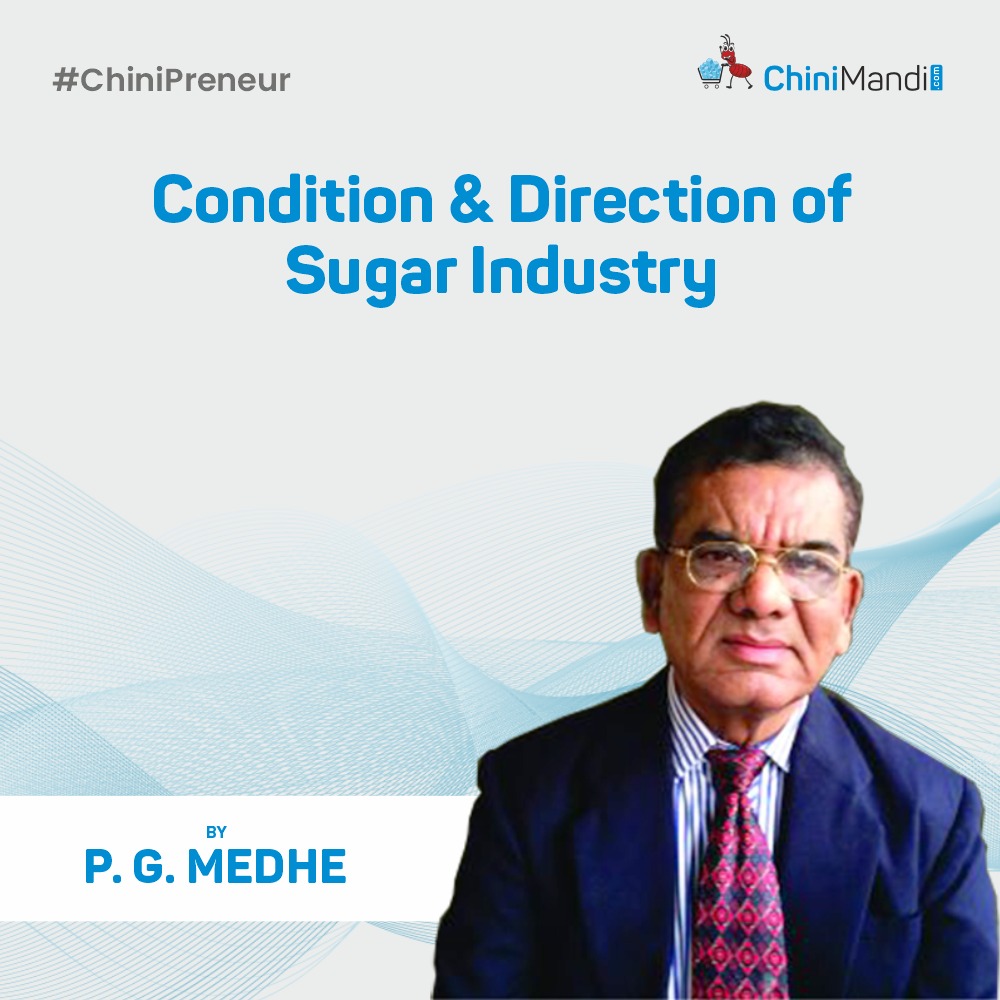
P.G. Medhe is the former Managing Director of Shri Chhatrapati Rajaram Sahakari Sakhar Karkhana Ltd and sugar industry analyst. He can be contacted at +91 9822329898.
To read more about the news about the sugar industry, continue reading Chinimandi.com.