
The minimum selling price (MSP) of sugar remains stagnant and below the cost of sugar production incurred by the mills. The industry has consistently urged policymakers to raise the MSP and ensure it covers the cost of production in the country; however, the status quo continues.
It is important to understand why the sugar industry and the sectoral pundits are pursuing the matter doggedly, in every season.

For any business to thrive and succeed, a steady and stable cash flow is important. Likewise, the sugar industry needs a lot of liquidity to take care of several commitments- providing for the livelihoods of the cane farmers and their families, meeting operational expenses, repaying loans, etc. All these need a lot of money and deep liquidity.
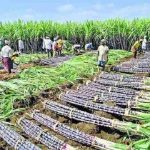
The Government has ensured that every stick of sugarcane the farmer produces is guaranteed a price to be paid by the mills. The cane Fair and Remunerative Price (FRP) and State Advised Price (SAP) (which a few Northern States have) is the price that is guaranteed to the farmer.
The sugar industry has constantly rallied to increase the MSP, which has been stagnant since its last review in 2019, even though the sugarcane FRP was increased multiple times.
From Rs. 285 per quintal in 2020-21 to Rs. 355 per quintal in 2025-26, the cane FRP has increased by Rs. 70 per quintal over five seasons, which is quite a substantial increase. In the current season, the Uttar Pradesh Government has increased the sugarcane SAP by Rs. 30 per quintal from the previous prices.
The industry needs money to pay for the higher cash outflow on account of sugarcane payment.
To give a context, for the sugar season 2024–25, the total expenditure on procuring sugarcane was at a whopping ₹10,2687 crore, which the mills have to ideally clear within the season.
Now, let us consider the various points through which sugar mills generate cash flows.
First, of course, is through the sale of sugar. However, the domestic sugar prices have remained weak. There was a spurt in domestic prices, but that was a short-lived one, and the prices have cooled off once again. As of today, the sugar prices are trading at Rs. 3700 – 3780 per quintal in Kolhapur and Rs. 4030 to 4130 per quintal in Muzzafarnagar.
Next is through the sale of ethanol. In 2018, the Government changed the rules of the game and made ethanol an important revenue-generating by-product of the sugar industry. At that time, the Government announced three separate prices of ethanol produced from three different sources- B Heavy Molasses, C Heavy Molasses and Sugarcane juice (SCJ).
However, in the last couple of years, there has been no increase in the prices of ethanol produced mainly from BHM and SCJ. Industry claims that the mills incur a high cost of producing ethanol from SCJ, plus sacrifice the income from the sale of sugar, which gets diverted to produce ethanol from SCJ; however, the procurement price has remained stagnant.
In addition to that, the overall ethanol procurement from molasses-based distilleries has been reduced, which has limited the profitability of the mills.
The Government has also allowed export of sugar in the current season to the tune of 15 Lakh Metric Tonnes (LMT), to allow sugar mills to pare the surplus sugar production and earn additional revenue from it. However, the international sugar prices are trading at lows.
The Raw (Ny 11) is trading at 4.5 year low at 14.11 cents, and the Whites are at 404.4, near to 5-year low. Definitely, the global sugar prices have seen better days, and the current situation doesn’t generate sufficient liquidity for the mills to survive the current season.
One of the longstanding challenges the industry has faced over several years has been unpaid cane arrears. The Government introduced several measures to tide over the crisis, with the ethanol blending programme being one of them. However, owing to a price stalemate, millers claim they may face difficulties in clearing cane arrears smoothly.
The picture is quite clear, and it is encouraging to see the Government taking steps to support the sugar industry. To further strengthen the sector’s liquidity and sustainability, linking the sugar MSP to the cost of production could be highly beneficial. Additionally, an increase in ethanol procurement prices from CHM, BHM, and SCJ would provide further support to millers and help ensure a balanced and thriving sugar market.
Timely policy interventions could help the sugar industry consolidate the progress it has made over the past several years and continue on a path of sustainable growth, rather than risk setbacks that could affect financial stability and profitability.
Without delay, the Government could consider increasing the sugar MSP, which would further support the financial stability of mills and enable them to settle cane payments and other crucial costs in the season itself.
For further inquiries or to contact Uppal Shah, Editor-in-Chief, please send an email to Uppal@chinimandi.com.