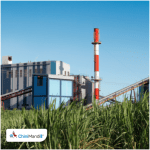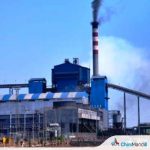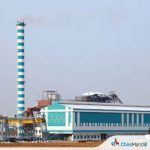
Thailand is planning to increase the use of sugarcane waste for power generation as disruptions in liquefied natural gas supplies linked to tensions in the Middle East raise concerns over energy security, Bangkok Post reported.
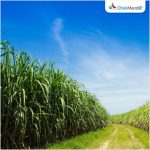
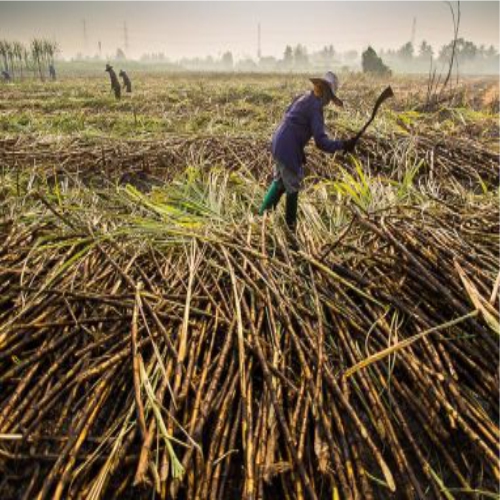
The Office of the Cane and Sugar Board (OCSB) said purchases of sugarcane leaves are expected to more than double in the coming year. These leaves, usually left unused after harvest, can be turned into biomass fuel for electricity generation.

OCSB Secretary-General Bainoi Suwanchatri said purchases are likely to increase from 2.14 million tonnes in the 2025–26 crop year to about 5 million tonnes in 2026–27.
He said the use of sugarcane leaves can help generate electricity during periods of energy shortage and also reduce field burning, which contributes to air pollution.
Thailand, one of the world’s top sugar exporters, already uses by-products such as molasses and bagasse to produce ethanol, which is blended with petrol to make gasohol and reduce oil imports.
Meanwhile, Somchai Harnhirun of the Thai Sugar Millers Corporation has urged the government to give priority to energy crops like sugarcane at the national level.
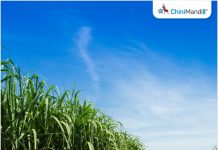
He said the country has over 11 million rai under sugarcane cultivation, producing around 92 million tonnes annually, which could support biofuel and biomass production.
The corporation estimates that sugarcane leaves and other farm waste could generate up to 650 megawatts of electricity.
It also suggested that promoting gasohol E20, which contains 20% ethanol, as a primary fuel could cut crude oil imports by nearly 2.9 million litres per day, or about 1.06 billion litres annually.
To promote its use, officials have kept E20 cheaper than other fuel options. It is currently priced about 3.24 baht per litre lower than gasohol 91 and 3.21 baht lower than gasohol 95.
Caretaker Energy Minister Auttapol Rerkpiboon said the government plans to widen the price gap to more than 4 baht per litre to encourage higher adoption.
He added that authorities are also promoting biodiesel B10, which contains 10% methyl ester, to reduce dependence on diesel. Currently, most motorists use B7, which has 7% methyl ester derived from palm oil.