With the introduction of a transparent and simplified licensing system, the state, especially the sugarcane belt of Western UP, now has nearly 285 operational khandsari units. These units have not only generated local employment but also helped reduce the crushing load on nearby sugar mills.
Estimates suggest that a single khandsari unit provides direct and indirect employment to 300–500 people, depending on its capacity. With 285 such units now functioning, they are collectively offering employment to tens of thousands—potentially up to one lakh people—within local communities, reported Kisan Tak.

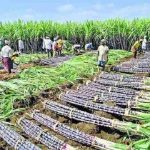
During Chief Minister Yogi Adityanath’s first term, the 25-year-old khandsari policy was overhauled. The goal was to increase farmers’ income and reduce their dependence on sugar mills for cane crushing. The new, transparent licensing system allowed 285 units to start operations, giving farmers more options.
The government has made licensing process priotise online, enhancing transparency and accessibility. With the new system, 285 units have been granted licenses so far. This not only offers farmers an additional avenue for cane processing but also helps ease the crushing pressure on existing sugar mills.
Overall, the reforms have strengthened the local economy, increased rural employment, and provided sugarcane farmers with more processing options—marking a significant milestone in Uttar Pradesh’s agricultural sector.