
A joint research project by The University of Queensland and Indian Institute of Technology Delhi has developed a more efficient and eco-friendly method to convert sugarcane waste into biofuel, Ethanol Producer Magazine reported.
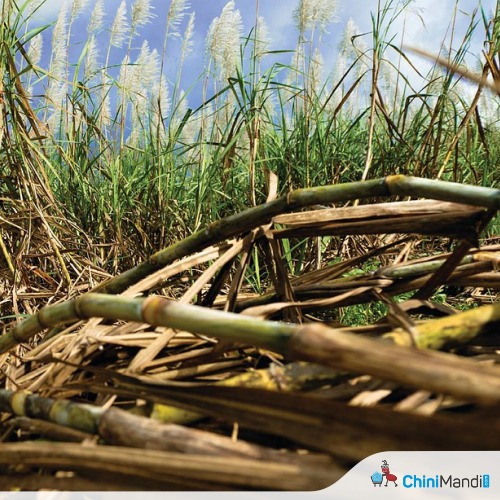
The study focuses on bagasse, the fibrous residue left after extracting juice from sugarcane, which is widely used as a raw material for ethanol production. Researchers say the new approach could reduce both costs and environmental impact in biofuel production.

PhD researcher Neethu Joshikumar tested a process that simplifies the treatment of bagasse, addressing a major challenge in converting it into ethanol. One of the key hurdles is lignin, a component that makes it difficult to access the sugars needed for fermentation.
Traditionally, removing lignin requires the use of strong acids and large amounts of water, making the process expensive and environmentally harmful. The new method replaces these chemicals with a biodegradable liquid known as a deep eutectic solvent, which allows the entire process to be carried out in a single step.
According to the researcher, this method avoids the need for separation and washing, reduces energy use, and shortens processing time. It also preserves the enzymes and yeast required for fermentation, improving overall efficiency.
The study also found that sugarcane varieties with higher cellulose and lower lignin content produced better ethanol yields.
Researchers said that when this method is integrated with existing sugar mills, it could offer a cost-effective and sustainable solution for large-scale bioethanol production.
Joshikumar said the research could help address the issue of crop residue burning, which is common in parts of India and contributes to air pollution. Converting agricultural waste into fuel could provide farmers with an alternative use while supporting cleaner energy goals.
The findings have been published in the journal Biofuels, Bioproducts and Biorefining. Further work on the project will continue under a research programme at The University of Queensland focused on developing plant-based alternatives to fossil fuels.















