
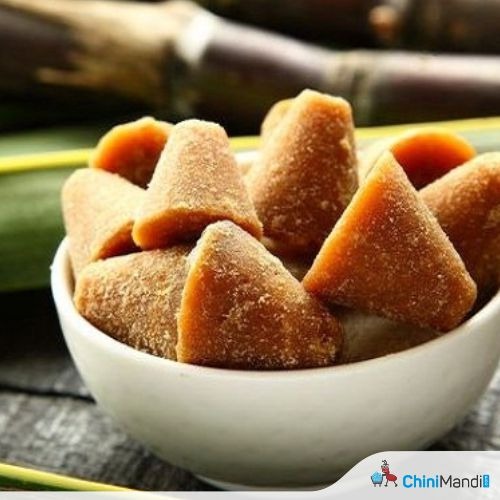
Kolhapur: Concerns are growing over the quality of jaggery produced in Kolhapur, with allegations that some units are continuing production even after the sugarcane season has ended by using sugar and chemicals.
Traditionally, jaggery production in the district runs from October to March, depending on the availability of sugarcane. However, some processing units are reportedly operating throughout the year, raising questions about the source of raw material during the off-season, Pudhari reported.

Industry sources say that in the absence of sugarcane, jaggery is being produced using sugar and chemical additives. This practice is said to be affecting the reputation of Kolhapur’s jaggery, which has long been known for its quality and strong market demand.
Despite these concerns, there are allegations that authorities, including the market committee and the food and drug administration, have not taken adequate action to curb such practices. Stakeholders have called for stricter monitoring to prevent adulteration and protect the region’s reputation.
Jaggery arrivals at the local market committee have continued throughout the year. While some units are operating using sugarcane sourced from neighbouring Karnataka, others are suspected of producing jaggery from sugar. Since April 1, about 53,000 bags of jaggery have reportedly arrived at the market.
Meanwhile, developments in Gujarat have added to the concerns. Authorities there have found higher sulphur content in jaggery during inspections and have taken action against traders. As the supply was traced back to Kolhapur, Sangli and parts of Karnataka, buyers in Gujarat have stopped purchasing jaggery from these regions from Monday.
The situation has raised fresh questions about regulation and enforcement. While the Kolhapur market committee has issued advisories to farmers against using artificial colouring, there are concerns that enforcement remains weak. Stakeholders say stronger action is needed to curb adulteration and maintain the quality of Kolhapur jaggery.















