
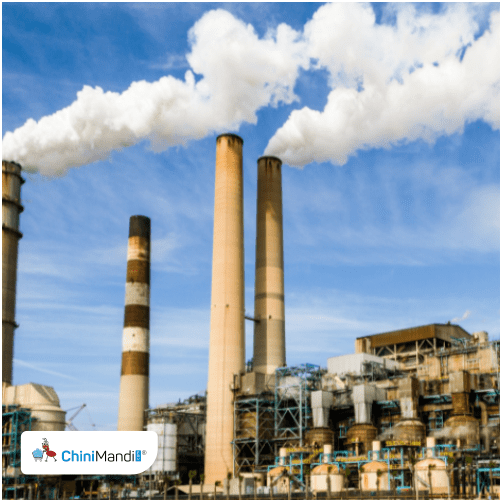
Thailand’s sugar industry, a major contributor to export earnings, is stepping up efforts to reduce pollution as the country pushes toward stricter climate targets.
Ranked as the world’s third-largest sugar exporter after Brazil and India, Thailand earns between 100 billion and 200 billion baht annually from sugar exports to markets such as China, South Korea and Indonesia. However, the environmental impact of large-scale production is drawing increasing attention, Bangkok Post reported.

One of the key challenges remains the widespread burning of sugarcane fields before harvest. The practice releases fine particulate matter, or PM2.5, which contributes to haze and health problems in many farming areas. Emissions from transport and processing activities also add to the sector’s carbon footprint.
In response, Khon Kaen Sugar Industry Plc has said it is working to reduce its environmental impact and support national climate goals. The company is coordinating with the Office of the Cane and Sugar Board to promote fresh cane harvesting as an alternative to burning.
The company aims to cut the share of burned cane deliveries to below 10 percent by 2026, down from 14 percent last year. Measures include encouraging the use of harvesting machines, offering better prices for fresh cane and providing financial incentives to farmers who avoid burning.
Authorities have also stepped up action, setting a target to reduce agricultural burning by 15 percent this year and tightening controls on crop imports linked to burning in neighbouring countries. Monitoring of fire hotspots and stricter enforcement measures are also planned.
At the same time, the company has accelerated its climate roadmap and now aims to achieve net-zero emissions by 2050. It reported a reduction of more than 227,000 tonnes of carbon emissions in 2024.
The company operates five sugar factories and processed 6.6 million tonnes of cane in 2025, with fresh cane accounting for 86 percent of the total. This reflects a gradual shift away from traditional burning practices.
Efforts to cut emissions also include investment in renewable energy. The company is using sugarcane waste and wastewater to generate electricity through biomass and biogas plants, supplying part of the output to the national grid.
In addition, several of its projects have been registered under Thailand’s carbon credit programme, with over 300,000 tonnes of emissions certified for trading.
The company is also expanding into biofuels through a joint venture that produces ethanol from molasses. It is further investing in new technologies to convert waste into bio-based liquefied natural gas and exploring algae-based fuels for aviation.
Industry officials say these measures are part of a broader effort to balance economic growth with environmental responsibility as Thailand works toward its long-term climate commitments.















