
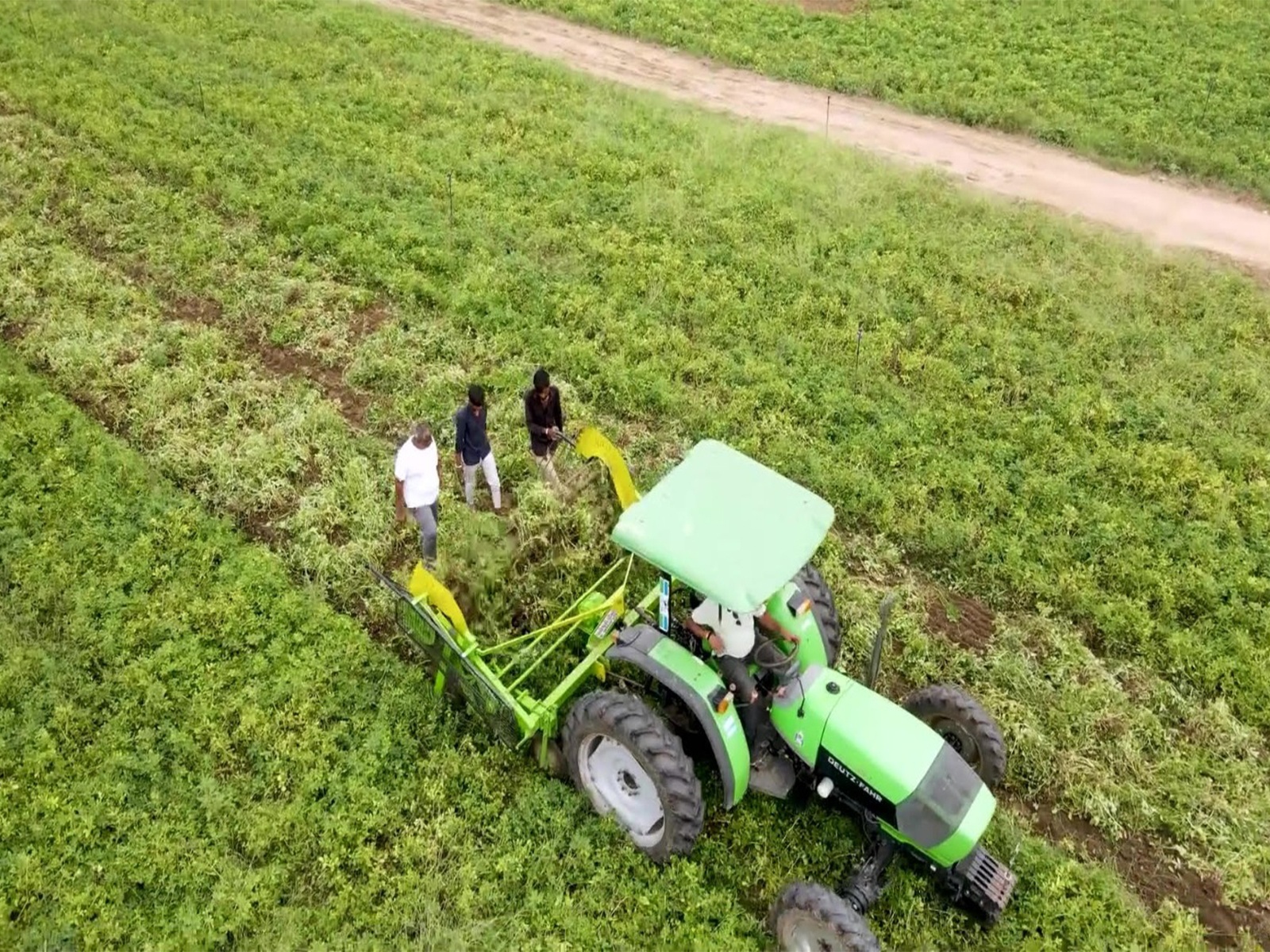
U.S. Sugar has launched the largest commercial use of autonomous tractors in the U.S. sugar industry, introducing a fleet of unmanned machines across its 255,000 acres of farmland in South Florida.
The fleet includes four John Deere 8R Series tractors and one 9R Series tractor, all equipped with automation technology developed by Autonomous Solutions Inc. and supported by Everglades Equipment Group. These tractors are capable of operating round the clock in sugarcane fields, Business Wire reported.

The machines use ASI’s Vehicle Automation Kit and are managed through a central control system, allowing a single operator to monitor multiple vehicles using the Mobius platform.
Ken McDuffie said the move reflects the company’s focus on combining technology with farming to improve efficiency and strengthen the domestic food supply, while also creating new skilled roles for workers.
The company said the autonomous tractors offer benefits such as improved accuracy, higher productivity, better sustainability and more reliable land preparation. The technology was tested during an 18-month pilot phase before being deployed at scale.
U.S. Sugar said it plans to retain its workforce by providing training for new roles linked to autonomous operations and other technical functions.
Mel Torrie said the deployment shows that automation is now a practical solution for agriculture, helping farmers improve safety and productivity while meeting rising demand.
The tractors were supplied through Everglades Equipment Group, which worked with ASI to integrate the automation systems into existing John Deere platforms.
Mike Schlechter said the partnership brings advanced farming technology to the region, helping growers improve efficiency and reduce resource use.
The decision to expand the use of autonomous tractors followed a successful pilot during the fall preparation season. Over the next decade, the company plans to extend the technology across its entire farmland, which spans nearly 400 square miles.
Currently used for sugarcane operations, the company said the technology may also be expanded to crops such as sweet corn and green beans in the future.















