
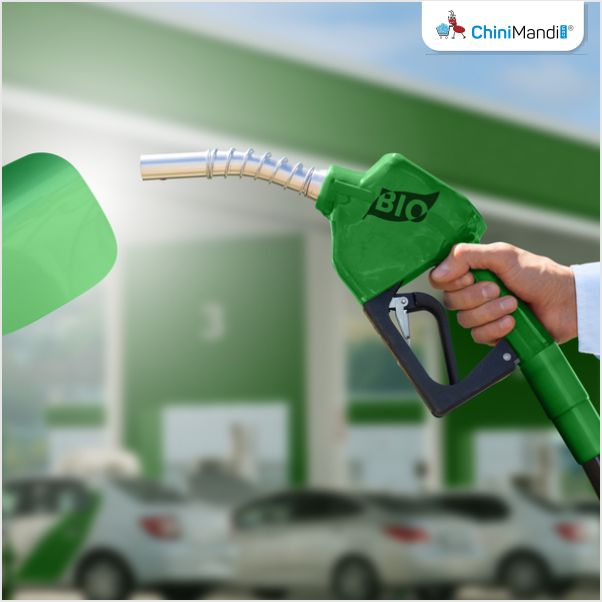
New Delhi: The Centre is evaluating the next phase of India’s ethanol blending programme, with a proposed roadmap that could see the introduction of E21 petrol by 2027 and E25 by 2029.
The move comes as the nationwide rollout of E20 petrol continues to generate debate over fuel efficiency, vehicle compatibility and higher running costs, particularly for owners of older vehicles, India Today reported.

According to sources, the government is considering a phased transition instead of moving directly to higher ethanol blends. Under the proposal being examined, E21 blended petrol could be introduced by 2027, followed by E25 in 2029.
Sources also said the Centre is considering capping ethanol blending in petrol at 25%, making E25 the highest blend under the current policy framework.
“The transition towards higher ethanol blending will happen in a calibrated and phased manner so that the automobile industry gets adequate time to prepare engines, supply chains and infrastructure accordingly,” a source familiar with the discussions said.
The gradual approach is intended to provide vehicle manufacturers, component makers and fuel suppliers sufficient time to adapt to higher ethanol blends before they are introduced across the country.
Another source said the government is aware of concerns raised by consumers over vehicle compatibility and fuel efficiency following the nationwide availability of E20 petrol.
“The idea is not to disrupt the ecosystem suddenly. The transition will be gradual and aligned with industry readiness,” the source said.
The ethanol blending programme remains a key part of India’s strategy to reduce dependence on imported crude oil while creating greater demand for domestically produced ethanol.
The Centre achieved nationwide availability of E20 petrol five years ahead of its original 2030 target, making it one of the fastest transitions under the country’s ethanol blending programme.
According to official estimates, achieving 20% ethanol blending has helped India save nearly 4.5 crore barrels of crude oil annually while reducing foreign exchange outflow by around ₹1.5 lakh crore.
However, the rollout has also raised questions among consumers over mileage, vehicle performance and compatibility, making the proposed roadmap for E21 and E25 the next significant step in India’s long-term fuel strategy.














