
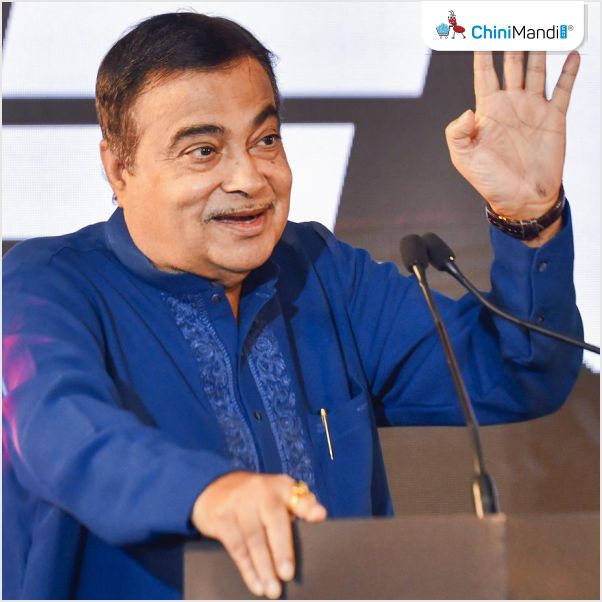
New Delhi: Union Minister for Road Transport and Highways Nitin Gadkari on Tuesday defended the nationwide rollout of E20 petrol, challenging critics to identify a single vehicle that had developed problems because of the 20 per cent ethanol-blended fuel.
Speaking at the Viksit Bharat Conclave, Gadkari dismissed concerns over E20 petrol and allegations that it reduces vehicle performance, saying no evidence has been presented to support such claims, The Economic Times reported.

“There is no case of any car facing issues due to E20 petrol. Has there been any car in the country that faced issues due to the use of E20 petrol? Just name one,” the minister said.
He also alleged that misinformation was being spread about higher ethanol-blended fuels.
“False narratives are being spread about the roll-out of higher ethanol-blended petrol. These are paid campaigns,” Gadkari said.
India has already achieved its target of supplying E20 petrol nationwide, with ethanol produced from biomass such as sugarcane, corn and rice blended with petrol to reduce dependence on imported crude oil and lower carbon emissions.
Unlike Brazil, where motorists can choose between different ethanol-petrol blends at varying prices, Indian consumers currently do not have the option to select fuels with different ethanol content at retail fuel stations.
Responding to allegations that his family’s business interests influenced the government’s ethanol policy, Gadkari said although his family owns sugar factories, their companies are not dependent on ethanol production.
The minister also highlighted the benefits of producing ethanol from corn, saying the policy had significantly increased farmers’ incomes in Uttar Pradesh and Bihar.
He said corn was selling at around Rs 1,200 per quintal, against a minimum support price of Rs 1,800 per quintal, before the government encouraged ethanol production from the crop. Following the decision, he said, corn prices rose to Rs 2,800 per quintal, resulting in an additional Rs 45,000 crore in income for farmers in the two states.
Meanwhile, the Ministry of Road Transport and Highways has proposed amendments to the Central Motor Vehicles Rules, 1989, to facilitate the wider adoption of higher ethanol blends and alternative fuels.
The proposed changes aim to expand the use of fuels such as E85, E100, B100 biodiesel and hydrogen-CNG blends, paving the way for flex-fuel and pure biofuel vehicles across all categories.












