Maharashtra Chief Minister Devendra Fadnavis has directed the administration to begin a formal assessment of drought-like conditions in the state from October 5, following damage to kharif crops caused by a prolonged break in monsoon rainfall, reported Urban Acres.
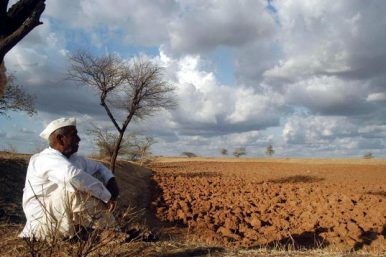
The decision was taken after a state cabinet discussion in which ministers from rural areas highlighted worsening crop conditions. Rainfall deficits have been reported in 86 talukas, with several rain-dependent areas facing severe crop stress after an extended dry spell.

The government has also directed officials to begin scarcity-relief measures immediately, without waiting for the formal panchnama process to begin. The assessments will document crop damage and scarcity conditions in accordance with National Disaster Response Fund (NDRF) criteria.
Short-duration pulses such as moong, matki and chavali have been badly affected in several areas, while sugarcane growth has slowed because of inadequate moisture. Newly planted sugarcane is also facing water shortages, raising concerns for farmers in areas dependent on rainfall.
The rainfall deficit comes as the southwest monsoon enters its withdrawal phase. India received 15% less rainfall than normal between June 1 and September 15, according to the report, while Maharashtra experienced a particularly weak spell during August and September.
The formal assessment will help the state determine the extent of crop losses and water scarcity and subsequently decide the nature and scale of relief. The government has not yet specified the number of villages to be covered or the financial assistance that may be sought under NDRF norms.
With the monsoon expected to begin withdrawing from western Rajasthan around September 19, the scope for a significant late-season recovery is limited in areas where crops have already suffered damage. For now, the state government is focusing on immediate scarcity-relief measures and preparing ground-level assessments ahead of the October 5 exercise.