
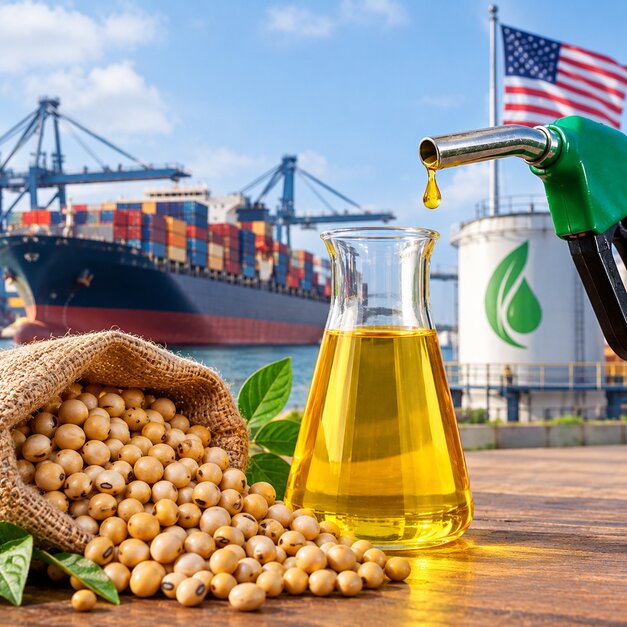
The U.S. Department of Transportation’s Federal Motor Carrier Safety Administration (FMCSA) has amended its hours-of-service waiver to explicitly include fuel ethanol and denatured ethanol, clarifying that interstate carriers transporting these products can also receive temporary regulatory relief. The amended waiver remains effective through December 16, 2026, reported Ethanol Producers Magazine
The agency initially issued the waiver on September 16, providing hours-of-service flexibility for commercial motor vehicle drivers transporting gasoline and diesel fuel in interstate commerce. The measure was introduced to help address potential increases in fuel transportation demand during the final weeks of summer and throughout much of the fall.

However, the original waiver did not specifically identify ethanol as an eligible fuel, prompting concerns about potential disruptions to fuel blending and distribution.
On October 5, the Renewable Fuels Association (RFA) asked FMCSA to clarify whether ethanol shipments intended for motor fuel blending were covered by the waiver. In its request, the association highlighted the risk of creating transportation delays if gasoline deliveries received regulatory relief while ethanol shipments remained subject to standard hours-of-service requirements.
The RFA explained that ethanol is an essential component in producing finished gasoline blends, including E10, E15 and E85. Since blending typically takes place at fuel terminals shortly before distribution, delays in ethanol deliveries could limit production capacity, create logistical bottlenecks and undermine efforts to maintain adequate fuel supplies.
In response, FMCSA issued the amended waiver on October 15, explicitly including ethanol and denatured ethanol among the fuels eligible for temporary hours-of-service relief.
The agency said the decision reflects the importance of ensuring the timely movement of gasoline, diesel and ethanol amid ongoing global supply chain disruptions. It also cited the potential for increased transportation requirements and agricultural harvesting activity as reasons for providing limited, temporary flexibility to interstate carriers.
The clarification has been welcomed by the RFA, which said the change would help maintain coordination between gasoline and ethanol transportation. The association also emphasized that ethanol plays an important role in keeping fuel supplies moving and helping reduce costs for American consumers.
According to the RFA, ensuring reliable ethanol deliveries is essential to achieving the waiver’s broader objective of maximizing fuel availability. The association added that ethanol can help deliver savings at the pump at a time when households continue to face elevated fuel prices.
The amended waiver will remain in effect through December 16, 2026. The full text of the revised waiver is available on the FMCSA website.















